Service
Civil Work
Commercial kitchen wall finishes must do more than improve appearance. They must withstand frequent cleaning, moisture, oil splashes, heat, cleaning chemicals and continuous daily use.
Poorly selected or badly installed finishes can create damaged joints, moisture penetration, grease buildup and difficult to clean surfaces. The correct solution depends on the kitchen zone, heat exposure, cleaning method, maintenance requirements and project budget.
This guide compares ceramic tiles, stainless steel cladding and hygienic wall panels for commercial kitchens and food preparation areas.
Let’s understand the best wall finish options used in commercial kitchens.
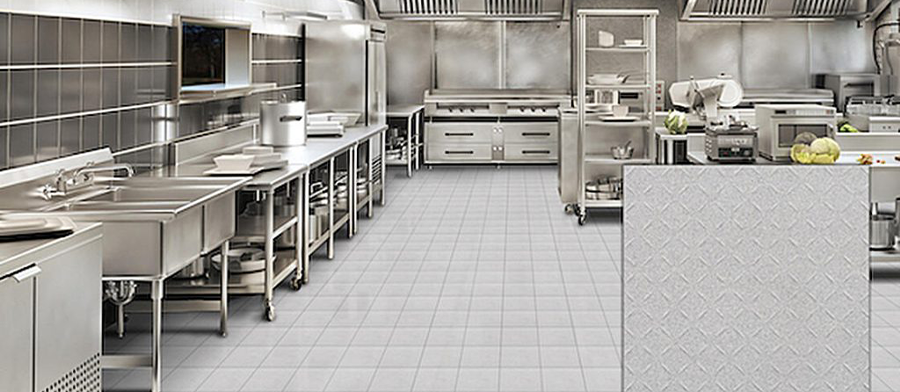
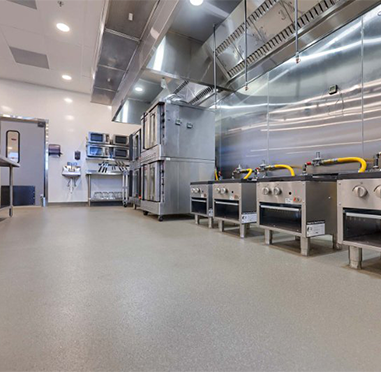
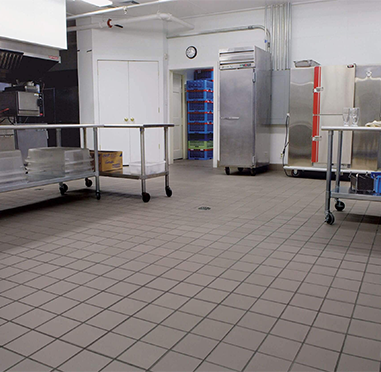
The most common type of wall finish in commercial kitchens is ceramic tiles.
Why it works:
The best way to do this is:
Best for:
Stainless steel is used in a lot of high end kitchens and places that need to be very clean.
The reason it works is:
Things to keep in mind:
Best for:
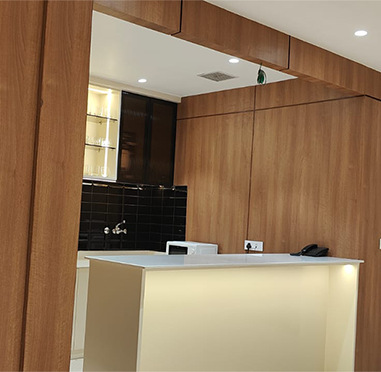
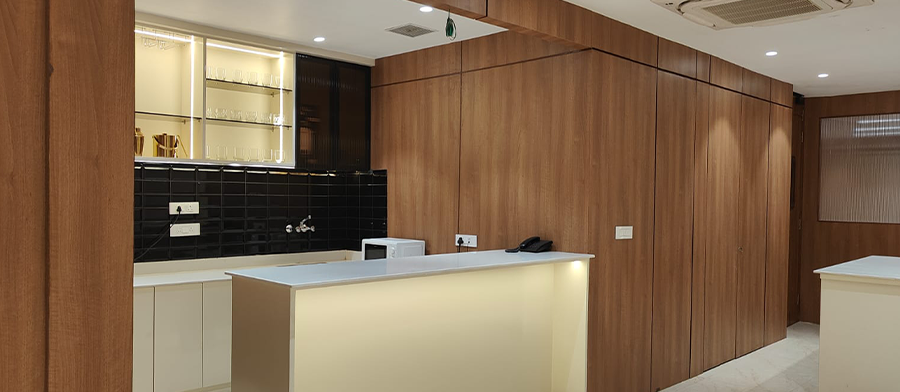
Cladding panels like ACP, PVC or FRP sheets are now used in modern kitchens.
Why it works:
Note:
Best for:
In most successful kitchens, a combination of materials is used.
Example:
This helps in balancing cost, performance and maintenance.
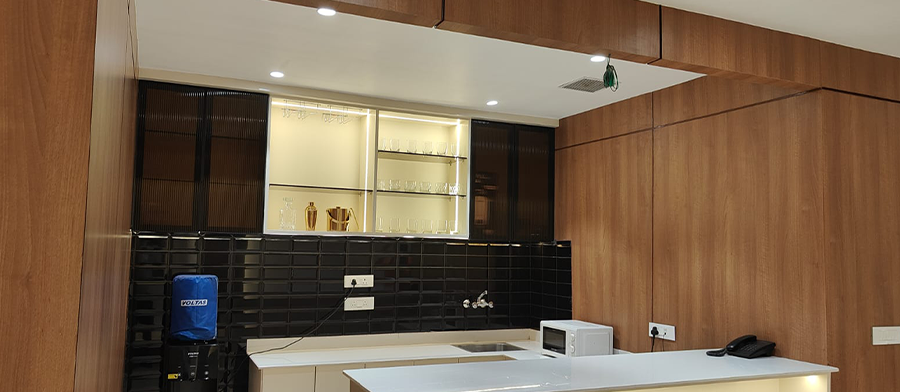
| Wall finish | Best location | Main benefit | Limitation |
|---|---|---|---|
| Glazed wall tiles | Preparation and washing areas | Cost effective and washable | Grout joints require maintenance |
| Stainless steel cladding | Cooking lines and equipment backsplashes | Heat resistant and easy to clean | Higher cost and specialised installation |
| Hygienic FRP panels | Selected dry or low heat zones | Fast installation with fewer visible joints | Not suitable for every heat or fire condition |
| Washable coating system | Low impact service and storage areas | Economical and easy to renew | Less durable in wet or heavy use zones |
Wall finishes should be detailed to avoid inaccessible gaps. Seal pipe penetrations, electrical conduits, hood junctions and equipment interfaces. Use cleanable corner trims or coving where appropriate.
Tiles or cladding should not be installed over damp, loose or uneven substrates. Repair seepage, prepare the wall correctly and complete necessary waterproofing before applying the final finish.
A hygienic wall finish cannot compensate for poor ventilation. Condensation, trapped moisture and grease laden air can damage joints and create difficult to maintain surfaces. Coordinate wall finishes with the kitchen exhaust and fresh air design.
Wall finish in a commercial kitchen is not just a design decision. It is a functional requirement. The right material will improve hygiene, reduce maintenance and create a better working environment for staff.
Tiles are good for general use, stainless steel is best for hygiene and heat zones and cladding panels help in quick and clean finishes. The best result comes from using the right amount of each of these materials.
We offer design / turnkey execution with lighting, MEP and visual merchandising integration for your space. Visit www.nextbc.in to learn more . . .
Thanks
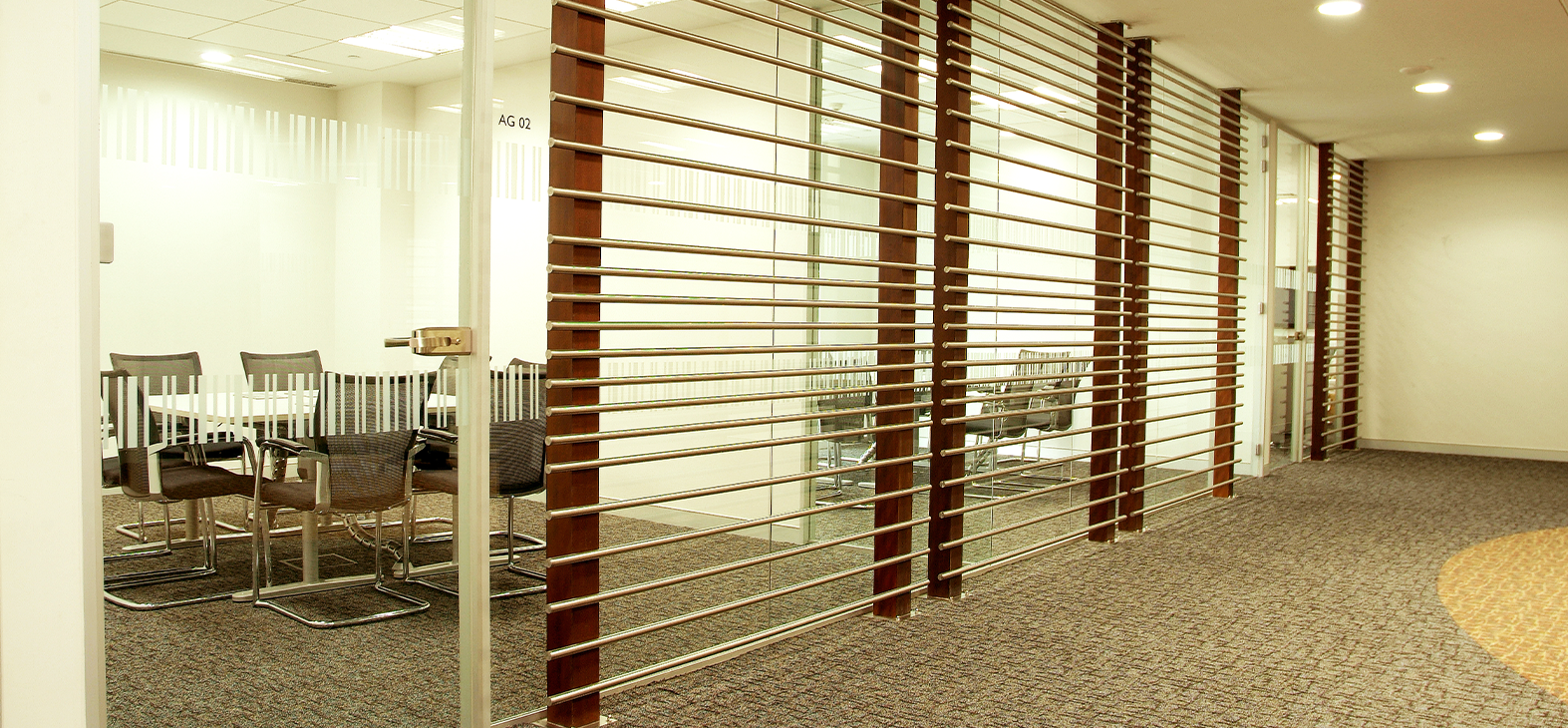
A combination of ceramic tiles and stainless steel is generally the best solution.
Because it is hygienic, easy to clean and resistant to heat and bacteria.
Yes, tiles are durable, cost effective and easy to maintain.
Joints can collect dirt and bacteria if not cleaned properly.
Yes, but only in low heat areas. Avoid using near cooking zones.
Because its surface is smooth, stainless steel is the easiest to clean.
Use smooth surfaces, clean regularly and avoid materials that absorb moisture.

When designing your dream home, it’s tempting to prioritize beautiful aesthetics sleek countertops, statement lighting...

When designing a home, every decision from color palettes to materials contributes to the space's...

See how smarter aisle planning and checkout zoning reduce queues while lifting add on sales.
Layout, adjacencies and lighting tweaks that raise basket size in specialty retail.