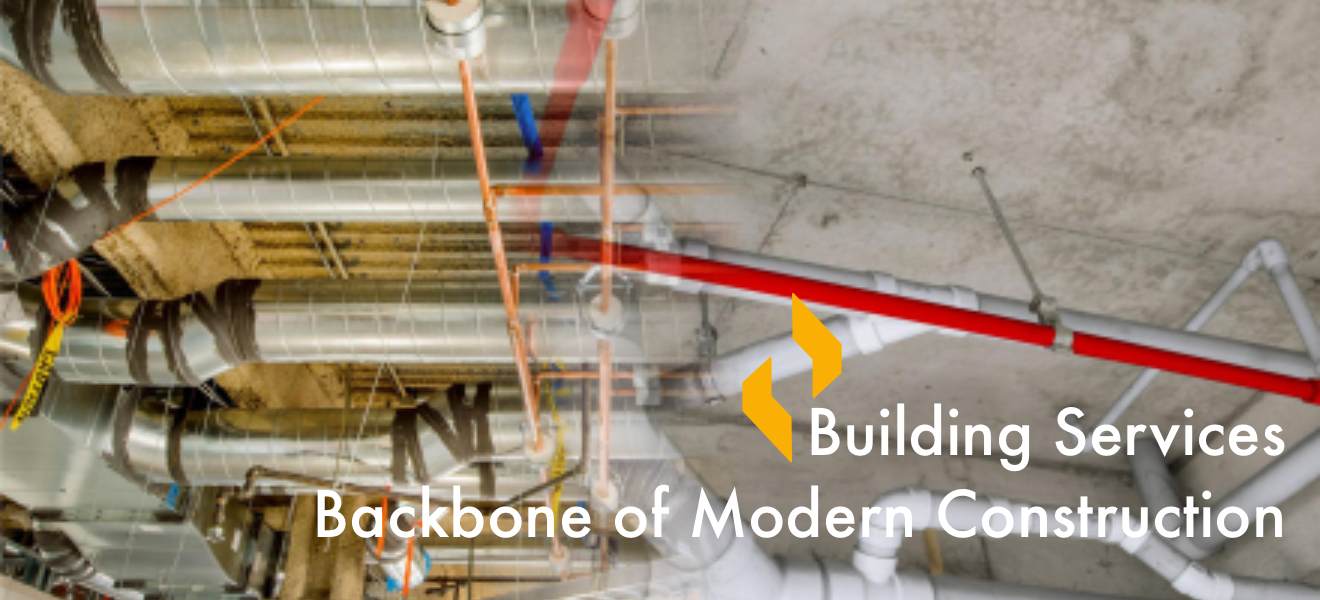
Earlier, in around 1980, a normal house used to have only one toilet for the entire family. Slowly, people started adding one more toilet near the entrance, then two toilets, and today Multiple toilets are common in one house.
At the same time, electrical usage was also very limited. Only basic lighting was required. But in the second half of the 1980s, things started changing. Equipment like TVs, VCRs, and The fridge entered the Indian market. This was not just a lifestyle change — it completely changed how buildings were designed.
How Modern Buildings Change Service Requirements
In 1980, electrical load in a house was very low. But today, a 500 sq. yard house may require close to 100 kW load (just an example to understand scale).
Now think beyond homes:
- Offices need computers, servers, air conditioning
- Schools need labs, lighting, smart boards
- Factories need heavy machines and power systems
This growth is what we call industrialization and modernization of buildings.
Types of Building Services in Construction
Because of this rapid change, building services engineering became a very important field. Earlier, construction was only about walls, roofs, and structure. Today, without services, a The building is incomplete.
These are some of the services that are included:
- Electrical systems
- Drainage and plumbing
- HVAC (heating, ventilation, and air conditioning)
- Systems for fire safety
- Systems for data and communication
If these services aren't planned properly, buildings can run into big problems, such as the following:
- Risks of fire
- Water leaking
- Power failure
- Bad air quality
- Risks to safety
In short, accidents can happen if services aren't set up correctly.
Why Early MEP Coordination Matters
Service:
Located in the high-energy Delhi University area, The Burger Pub attracts a large flow of young college students. Visit www.nextbc.in to learn more . . .
Building services are not optional anymore; they are the most important part of any project. If it Whether it's a home, an office, a store, or a factory, everything depends on services running smoothly.
For instance:
- In a restaurant, inadequate drainage can stop business.
- In a retail store, poor electrical planning can cause fires.
- In offices, poor air circulation affects productivity.
So, services are directly linked to safety, comfort, and success in business.
Smart and Energy Efficient Building Services
Building services engineering is not static. It keeps growing as human needs increase.
Today we are talking about the following:
- Smart homes
- Energy-efficient systems
- Automation
- Sustainable buildings
Tomorrow, the demand will be even higher.
Building Services Planning Checklist
- Prepare an equipment and utility requirements list.
- Coordinate service routes with the building layout.
- Allow access for inspection and maintenance.
- Review electrical, plumbing and ventilation interfaces.
- Confirm applicable safety requirements with qualified designers.
- Plan testing, commissioning and handover documentation.
Plan Building Services Before Construction Begins
Without building services, construction
cannot succeed. Structure may stand, but building will not function properly.
Therefore while planning any project, services should be considered from day one—not
after Construction starts.
We offer design / turnkey execution with lighting, MEP and visual merchandising integration for your space. Visit www.nextbc.in to learn more . . .
Thanks
Frequently Asked Questions
Building services include electrical, plumbing, drainage, HVAC, fire safety and communication systems that help a building function safely and comfortably.
They support safety, comfort and reliable operation, including lighting, water supply, drainage, ventilation and suitable indoor conditions.
Poor coordination can increase the risk of electrical overload, water leakage, inadequate ventilation, maintenance difficulties and costly rework.
HVAC stands for heating, ventilation and air conditioning. These systems manage indoor temperature, ventilation and air quality.
Modern buildings use more and different equipment. The required electrical capacity depends on the installed equipment and its operating patterns.
Yes. Small homes also need appropriate electrical, plumbing and ventilation planning based on their requirements.
Building services should be planned at the design stage itself, not after construction starts.
Related Articles on Building Services and Interior Planning

Choosing Aesthetics Over Functionality: A Design Dilemma for Homeowners
When designing your dream home, it’s tempting to prioritize beautiful aesthetics—sleek countertops, statement lighting...
Ignoring Natural Lighting: A Common Oversight in Home Design
When designing a home, every decision—from color palettes to materials—contributes to the space's...
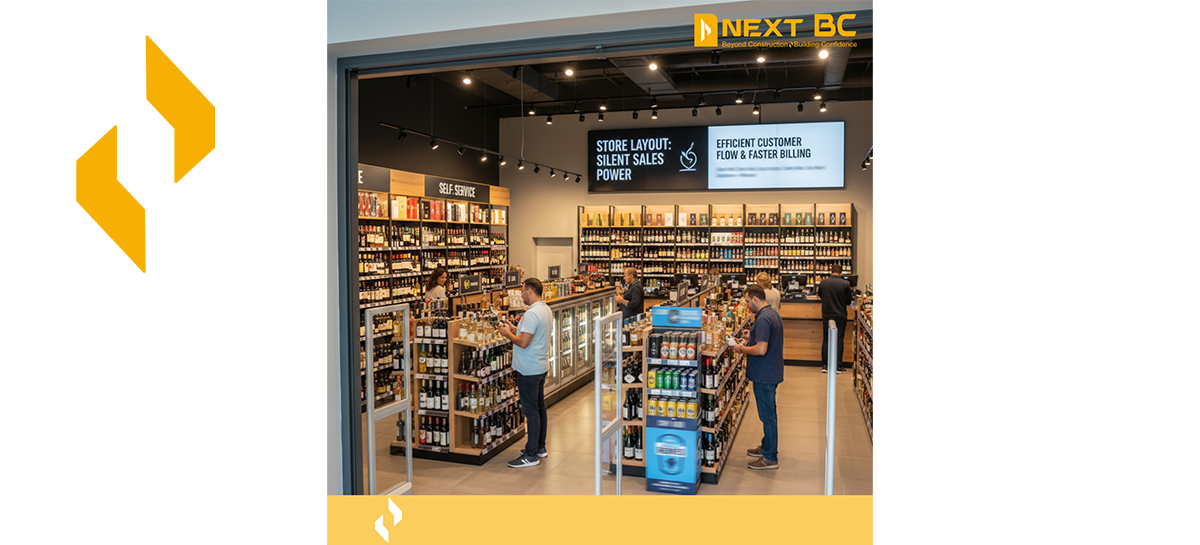
Why the Liquor Store Layout Impacts Customer Flow & Billing Speed
See how smarter aisle planning and checkout zoning reduce queues while lifting add-on sales.
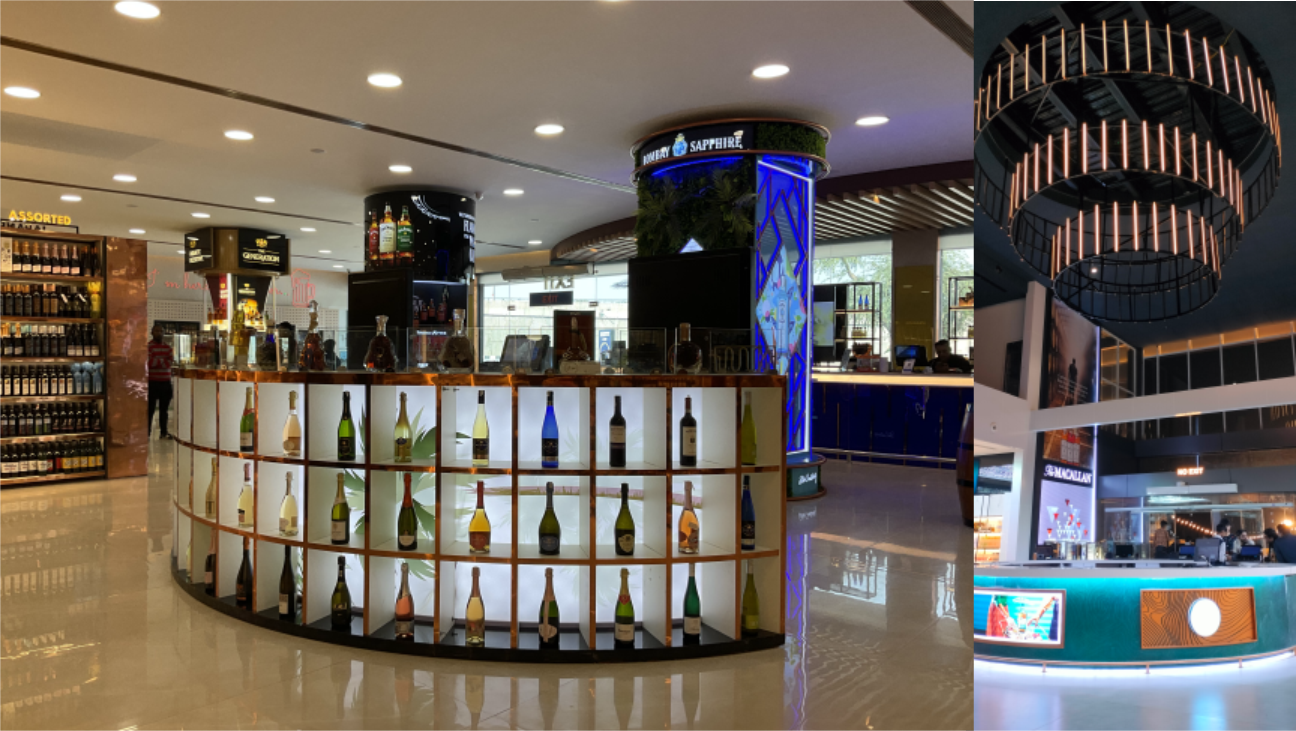
How a Well-Designed Interior Increases Liquor Store Sales
Layout, adjacencies and lighting tweaks that raise basket size in specialty retail.