Service
Civil Work
-header-image-1.png "Challenges in Commercial Kitchen Services | Next BC")
Setting up a commercial kitchen is not just about placing equipment and starting operations. Behind every smooth-running kitchen, there is a strong backbone of services like electrical, water supply, drainage, exhaust, fresh air, gas pipeline and waste management. If these aren't planned out well from the start, the kitchen will have problems all the time while it's open.
Let's talk about the real problems that come up on the job site and how good planning can help.
In a commercial kitchen, there isn't much room for many services to work together:
You can't just put services anywhere; each one has its own needs. The hardest part is getting all of these to work together without causing problems.
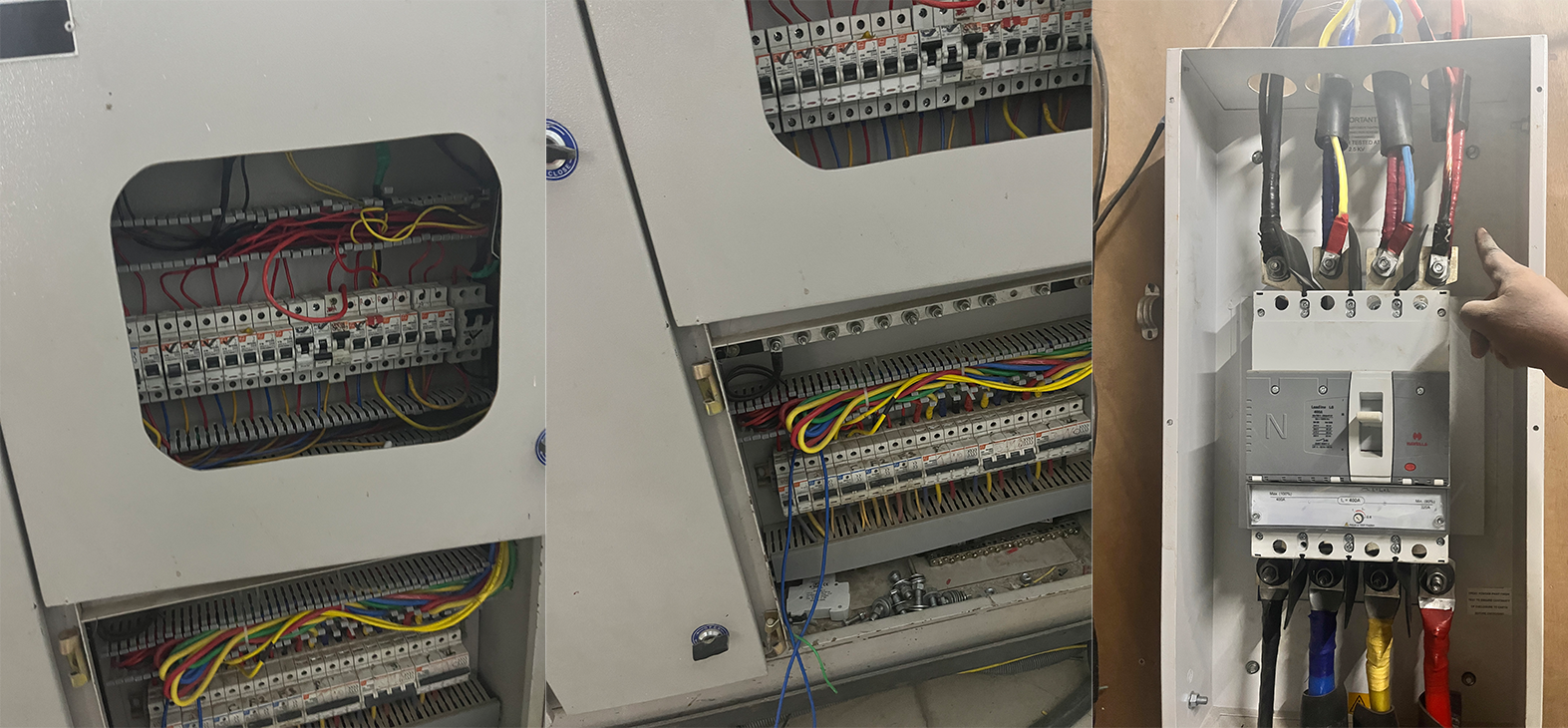
For example, electrical and water supply lines should never run together due to safety risks. A minimum gap of 900mm must be maintained to avoid accidents like short circuits or leakage-related hazards.
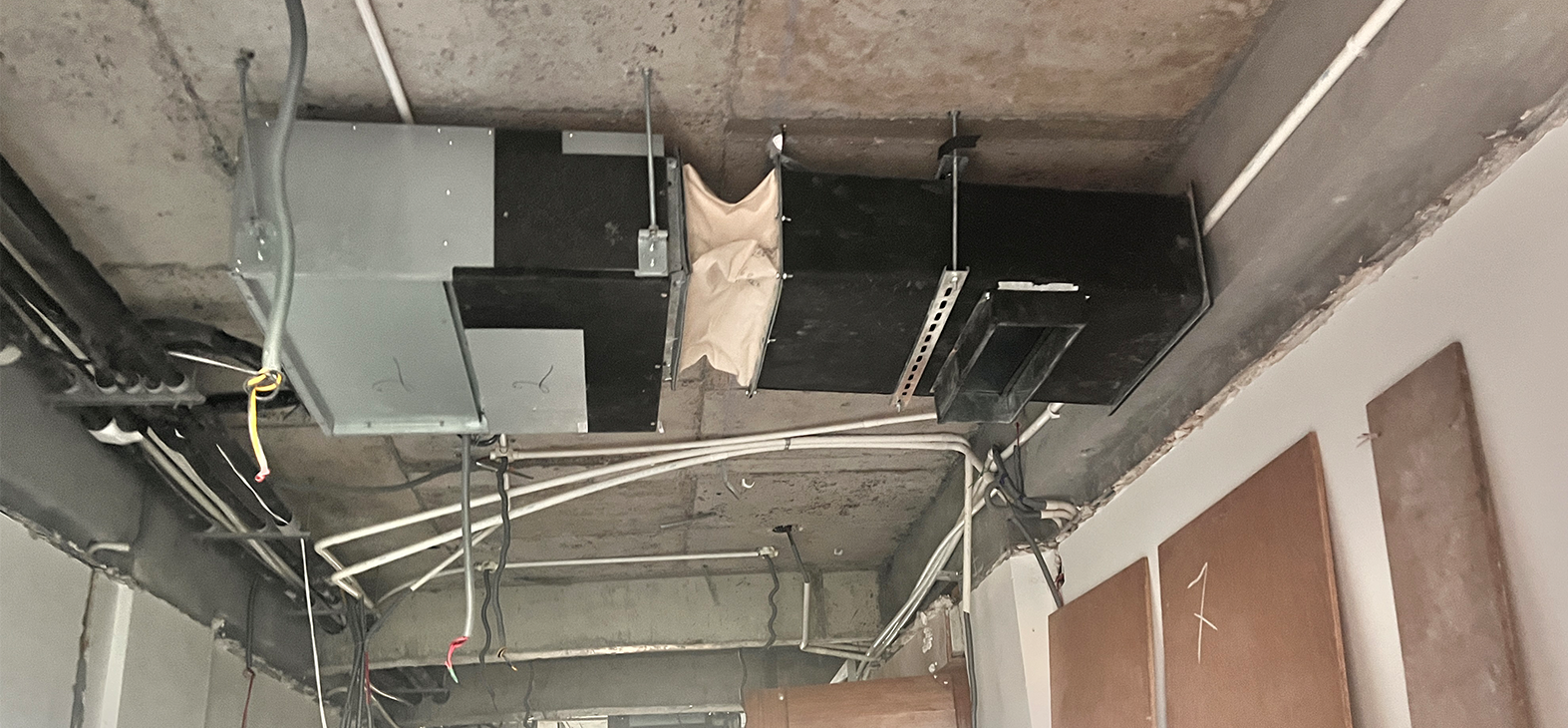
A common mistake in many kitchens is not planning the height of service lines correctly. On-site experience shows that proper level separation helps in maintenance and safety.
Typical practical levels followed are the following:
If these levels are not maintained properly:
This is why planning before execution is very important.
Drainage is often ignored during initial planning, but later it becomes the biggest headache.
Common issues include:
A well-designed drainage system with proper slope and traps is a must to avoid daily operational problems.
Most people focus only on exhaust systems, but fresh air supply is equally important.
In a commercial kitchen:
If fresh air is not provided:
Fresh air should also be treated (filtered and conditioned) to maintain a comfortable environment for chefs and their assistants.
A proper exhaust system is required to remove the following:
Challenges include:
If exhaust is not designed properly, the entire kitchen environment becomes suffocating.
Putting in gas lines is an important job in commercial kitchens.
Big issues:
Gas lines need to be:
If you don't pay attention here, you could be in danger.
Waste collection is another area often overlooked.
Challenges include:
Proper planning ensures:
A commercial kitchen is more than just a
place to cook; it's a system where different services need to work together without
any problems. Planning ahead, spacing things out correctly and following through are
the most important things that will determine whether a kitchen runs smoothly or has
problems every day.
If services are planned correctly from the beginning, it
saves time, cost and avoids major operational issues later.
We offer design / turnkey execution with lighting, MEP and visual merchandising integration for your space. Visit www.nextbc.in to learn more.
Thanks
This space is kept empty to keep water from leaking and causing electrical problems like short circuits.
Water supply is generally kept at around 550 mm and drainage at around 450 mm for proper flow and accessibility.
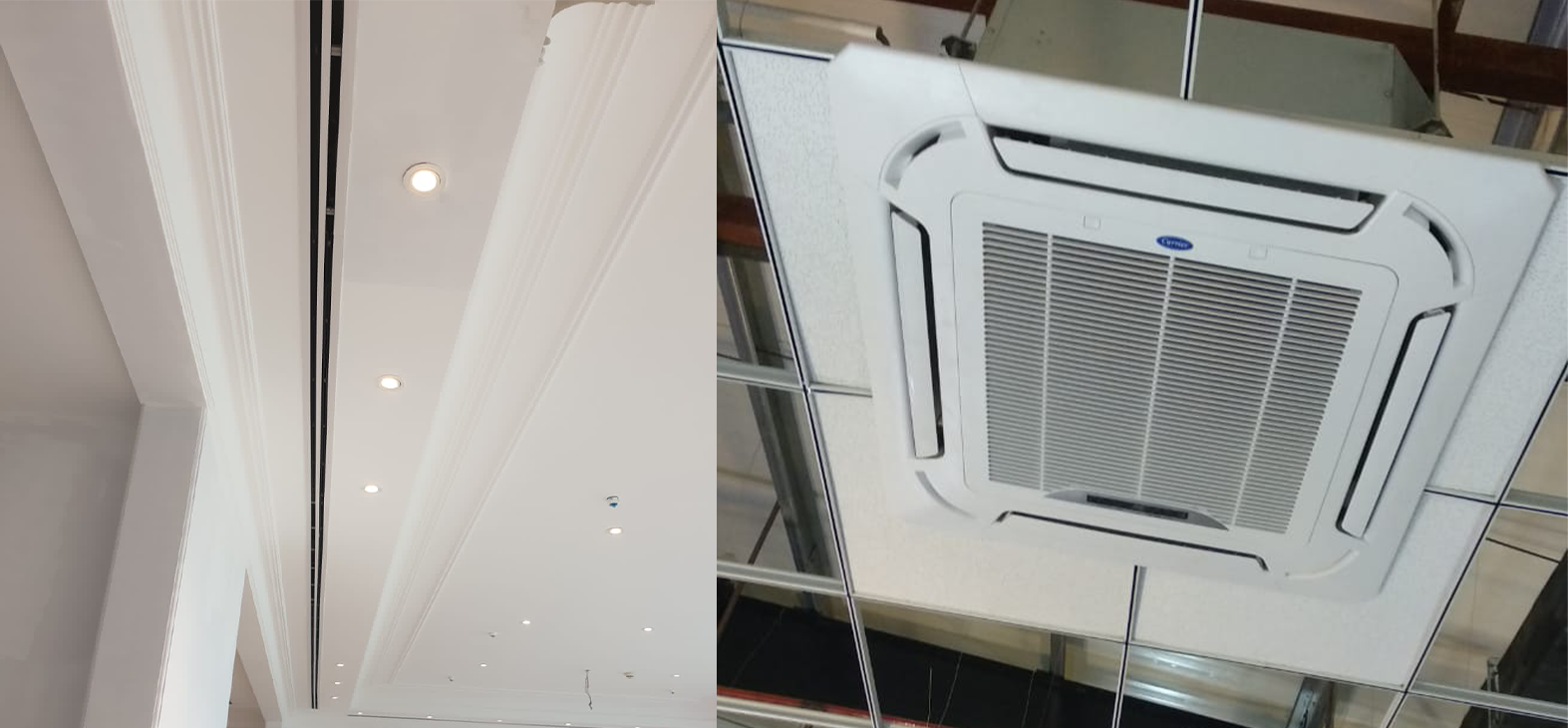
Fresh air keeps the workplace comfortable, lowers the temperature and makes employees more productive.
If water doesn't drain properly, it can pool, smell bad and make it hard to keep the kitchen clean, which can make it hard to cook.
Both are equally important. Exhaust removes hot air and fumes, while fresh air maintains balance and comfort.
If you don't install it correctly, gas can leak out, which is very dangerous and can cause accidents.
Planning ahead makes sure that work goes smoothly, cuts down on maintenance problems and makes the workplace safe.

When designing your dream home, it’s tempting to prioritize beautiful aesthetics—sleek countertops, statement lighting...

When designing a home, every decision—from color palettes to materials—contributes to the space's...
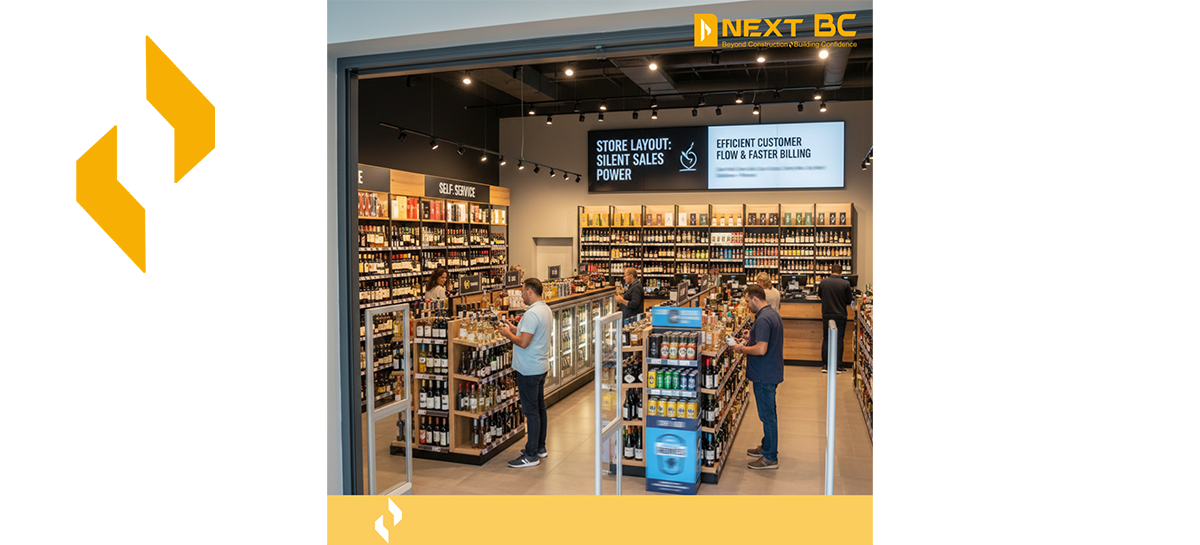
See how smarter aisle planning and checkout zoning reduce queues while lifting add-on sales.
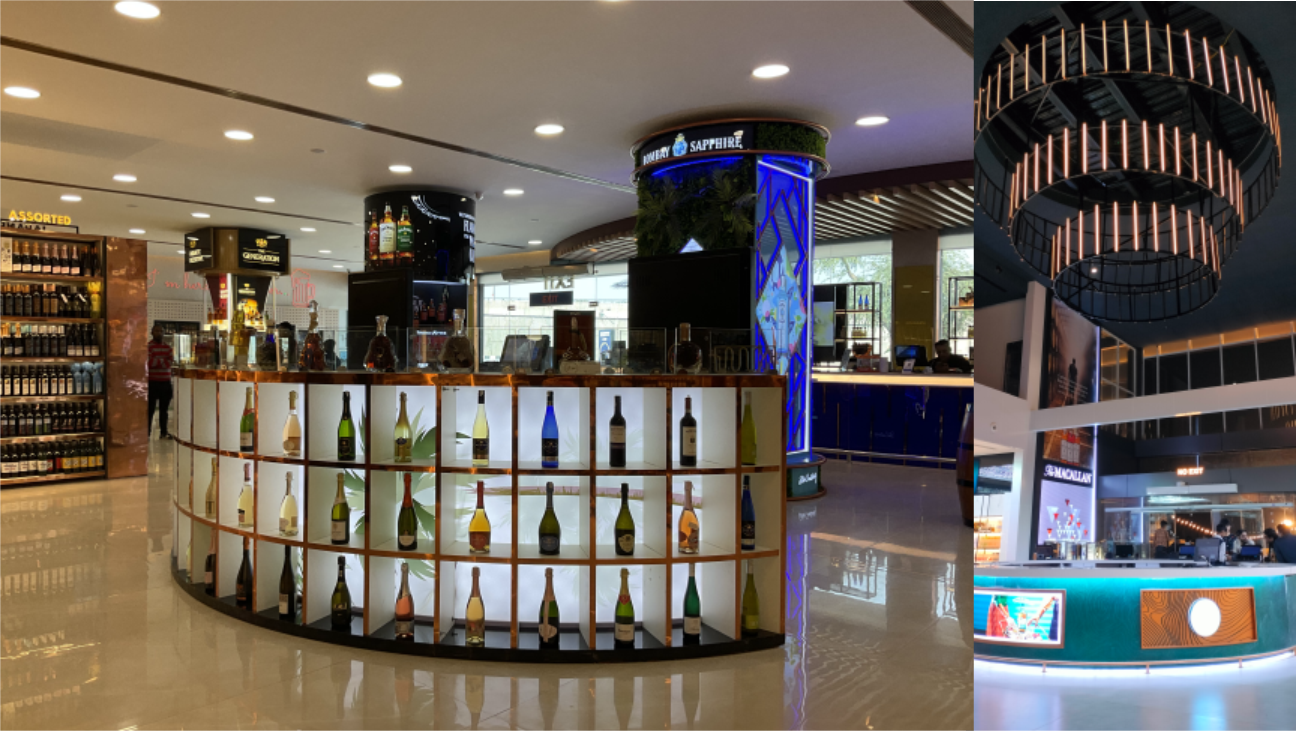
Layout, adjacencies and lighting tweaks that raise basket size in specialty retail.