Service
Civil Work
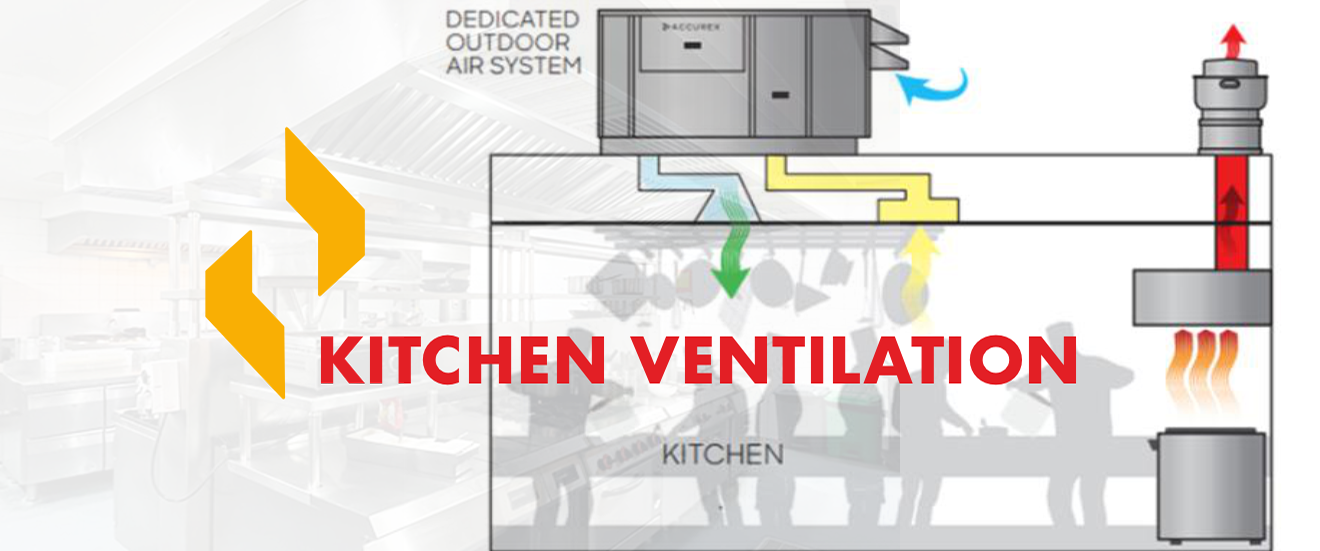
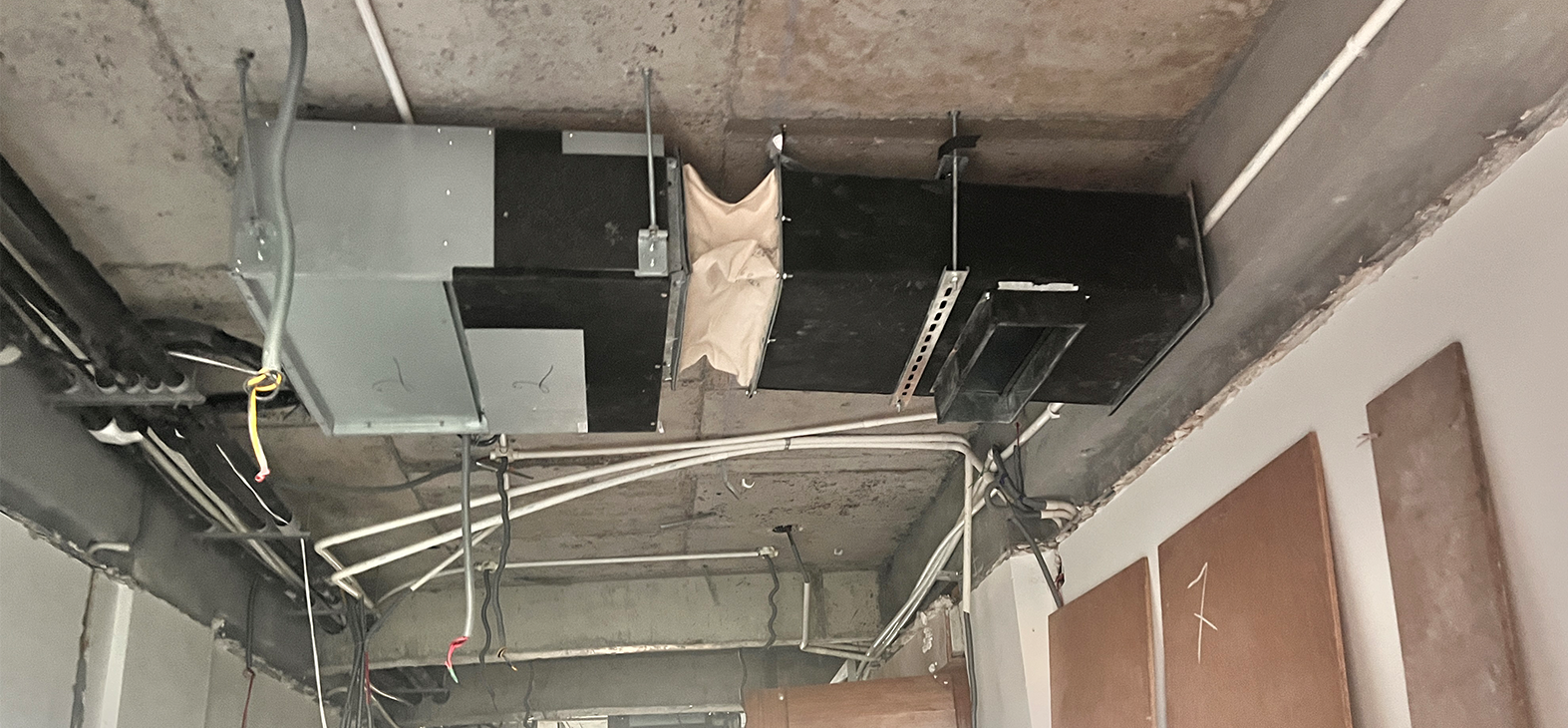
In any F&B kitchen, ventilation is not just about removing smoke. It directly affects working comfort, safety, hygiene and equipment life. Inadequate fresh air and exhaust balances are more often the cause of kitchen failures than cooking appliances.
Let’s understand this in a simple and practical way.
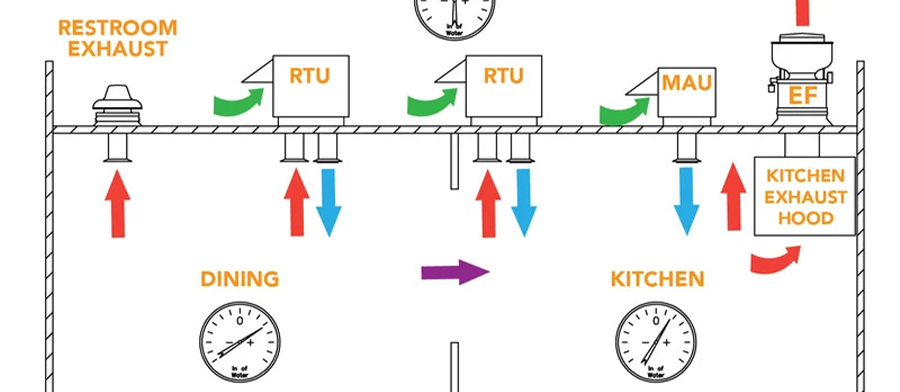
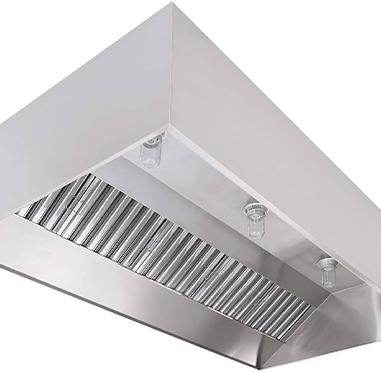
A proper kitchen system mainly includes the following:
If these are not balanced properly, it leads to the following:
"RPM" means "Revolutions Per Minute" of the fan motor.
But in kitchen design, we don’t only depend on RPM—we consider the following:
Still, RPM plays a key role in selecting proper fan performance.
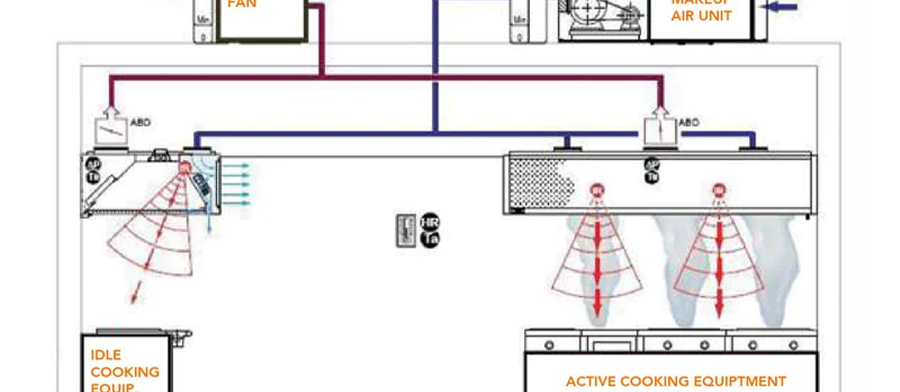
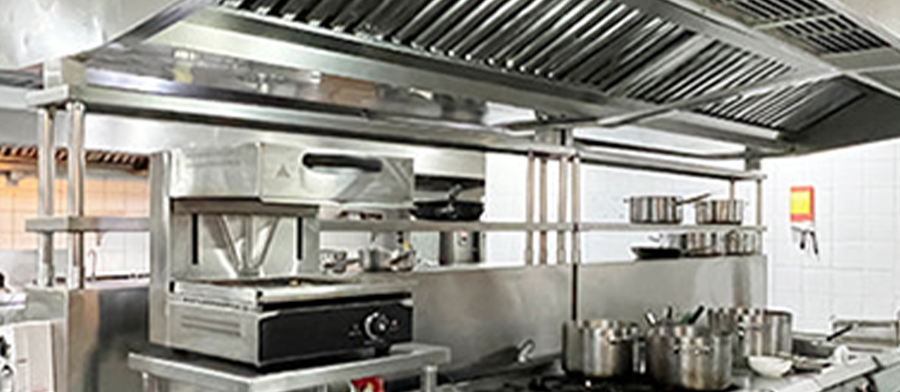
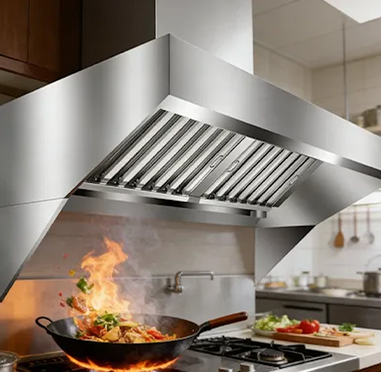
Kitchen exhaust is designed to pull out heat, smoke and oil particles.
Typical Exhaust Setup:
RPM Range (Practical Site Range):
Key Point:
Higher RPM ensures strong suction, but if not balanced, it creates negative pressure.
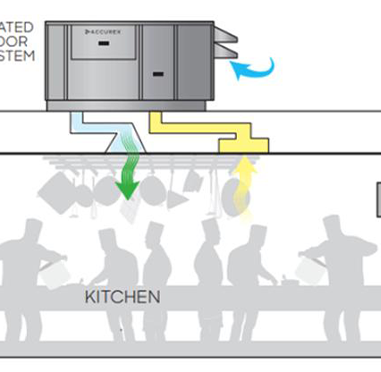
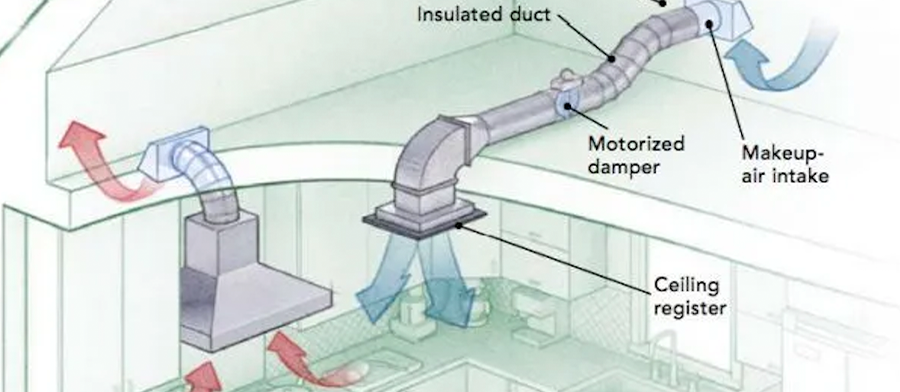
Fresh air is not just normal air — it is filtered and treated air supplied inside the kitchen.
Methods of Fresh Air Supply:
1. Direct Fresh Air Fan
2. Treated Fresh Air Unit (TFA Unit)
3. AHU (Air Handling Unit) with Fresh Air Mixing
Fresh Air RPM Range:
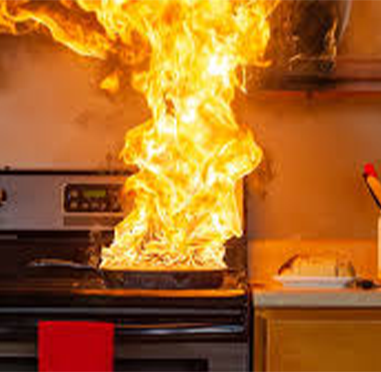
Negative pressure happens when:
Exhaust air > Fresh air supply
This creates a vacuum effect inside the kitchen.
Problems due to Negative Pressure:
This is where many projects fail on site.
Ideal Rule:
Fresh Air = 80% to 90% of Exhaust Air
Example:
Practical Solutions:
1. Proper Air Balance Calculation
Before installation:
2. Use a Variable Speed Drive (VFD)
3. Provide Make-Up Air Near Cooking Area
4. Avoid Oversized Exhaust Blowers
5. Proper Duct Design
6. Maintain Slight Positive Pressure
The kitchen should not be fully negative.
This ensures:
In many projects, we see:
Result:
But the actual issue is air balance failure.
A good F&B kitchen is not only about equipment or layout. It is about proper coordination of exhaust and fresh air systems.
Key takeaways:
A well-designed ventilation system will:
We offer design / turnkey execution with lighting, MEP and visual merchandising integration for your space. Visit www.nextbc.in to learn more . . .
Thanks
The kitchen becomes suffocating, smoke doesn’t exit properly and staff comfort reduces.
No, Higher RPM without balance creates negative pressure issues.
Around 80–90% of total exhaust air.
Yes, for small kitchens, but for commercial kitchens, treated fresh air is recommended.
Due to negative pressure created by high exhaust suction.
It helps in controlling fan speed and maintaining proper air balance.
Both are equally important. One without the other will fail.

When designing your dream home, it’s tempting to prioritize beautiful aesthetics—sleek countertops, statement lighting...

When designing a home, every decision—from color palettes to materials—contributes to the space's...

See how smarter aisle planning and checkout zoning reduce queues while lifting add-on sales.
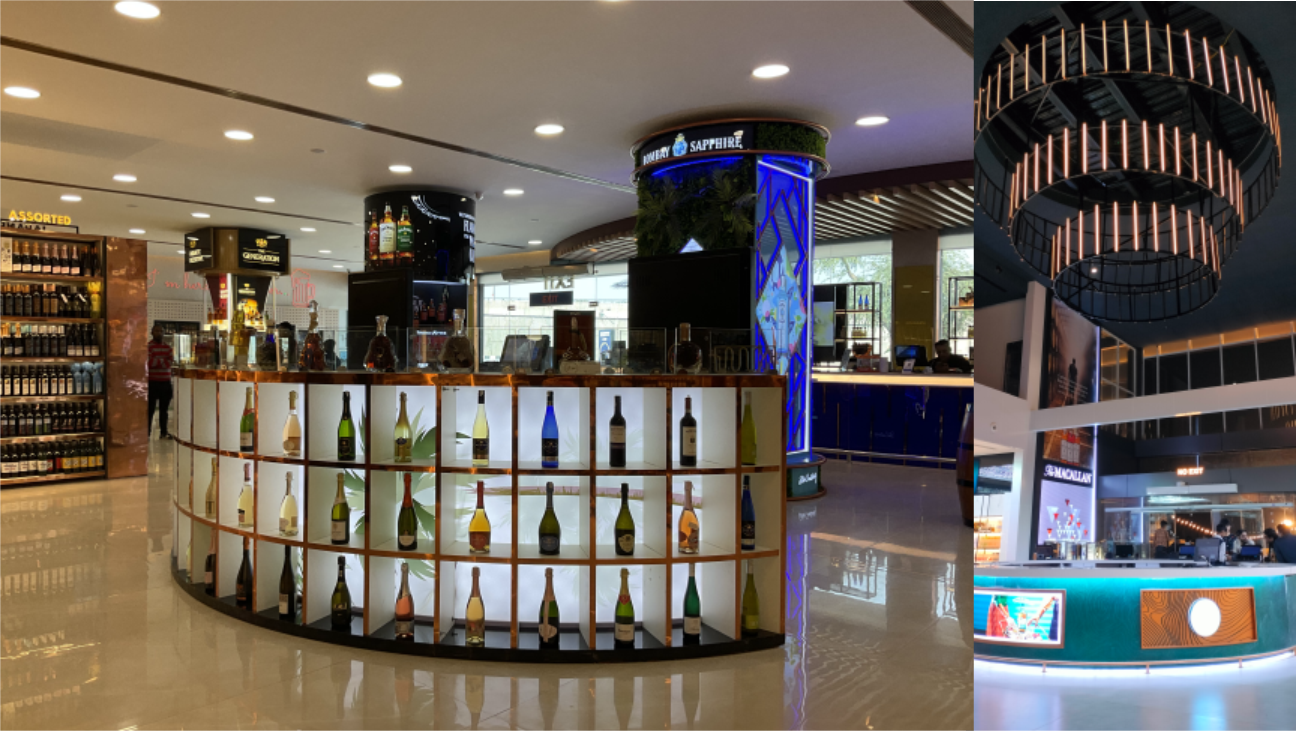
Layout, adjacencies and lighting tweaks that raise basket size in specialty retail.