Service
Civil Work
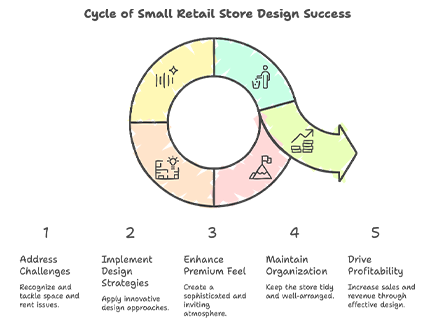
Designing a small retail store is always a challenge. Limited space, high
rent and the need to display more products can create confusion during
planning. But with the right design approach, even a small store can look
premium, organized and highly profitable.
Some businesses, like fast-moving grocery stores, need to display more
products. In such cases, smart display planning plays an important role in
making the store look attractive and trend-setting.
In today's competitive market, smart design isn't about how big something
is; it's about how well you use the space you have.
In small stores, layout planning plays a very important role. Every inch matters.
You can use layouts like the following:
Avoid cluttered pathways. Customer movement should be smooth and natural.
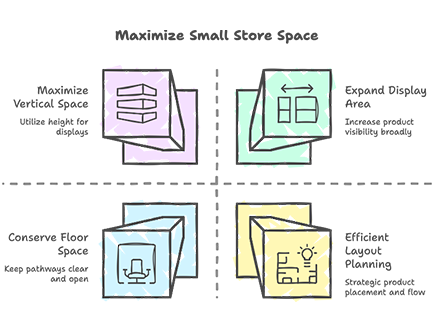
If you don't have a lot of floor space, go up.
This lets the store show off more items without being too full.
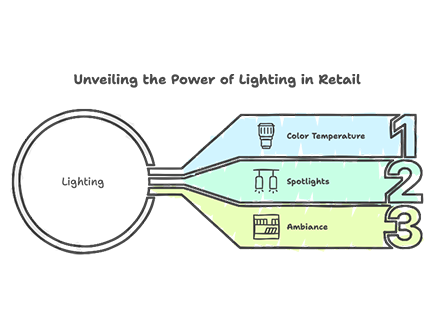
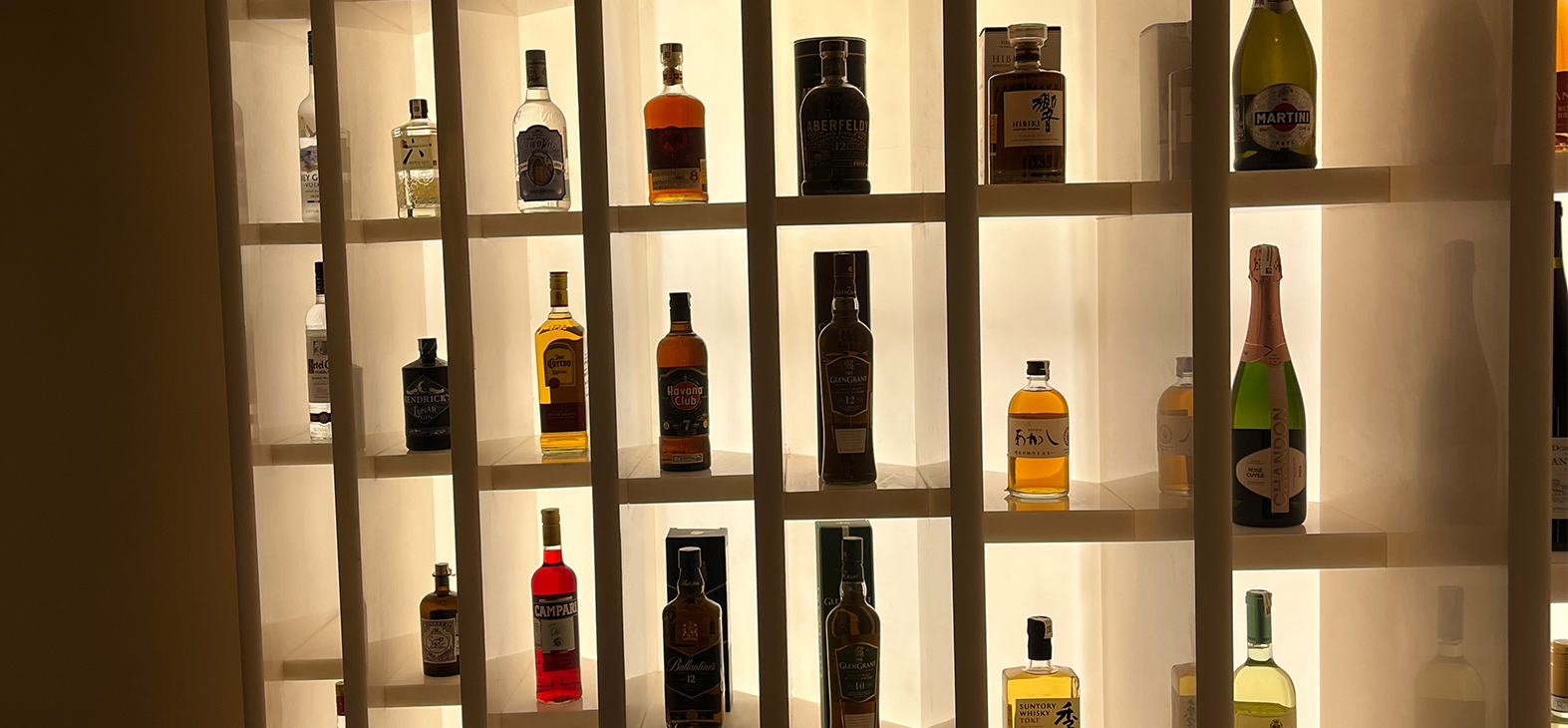
Lighting does more than just help you see; it also sets the mood and draws attention to products. If you want people to be able to see your products better.
Good lighting can make a small store look bigger and more appealing.
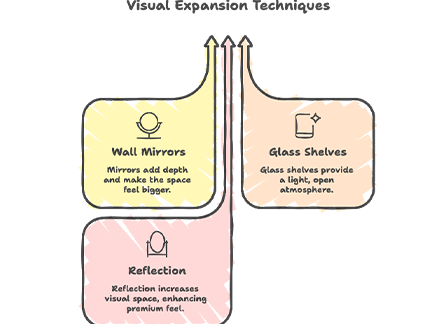
Mirrors are a simple but powerful trick.
This technique is widely used in premium stores.
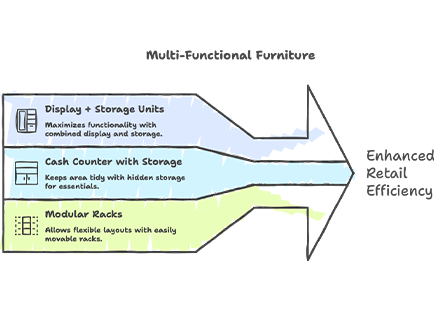
In small rooms, each piece of furniture should be able to do more than one thing.
This cuts down on clutter and makes things work better.
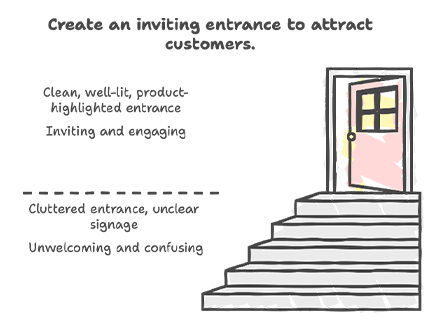
Your entrance will determine whether or not a customer comes in.
With the right entrance design, even a small store can have a big effect.
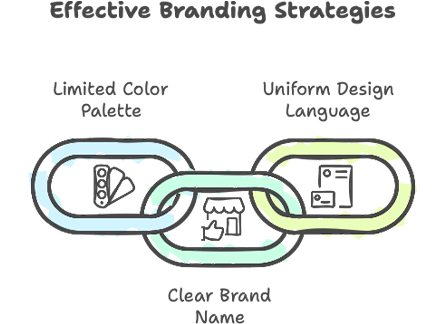
Don't go overboard with the design. Make it useful but not too hard to use.
A lot of design in a small space makes things hard to understand.
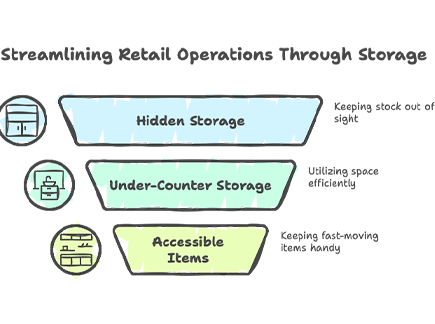
The front display is important, but so is the backend storage.
Planning ahead for storage makes things easier to do every day.
When it comes to designing a small retail
store, it's not about making compromises; it's about planning ahead. Even a small
space can work like a big store if it has the right layout, lighting and storage.
We at Next BC always focus on practical design that makes both customers and
sales better. We tailor each project to fit the space, the type of product and the
business goals.
We offer design / turnkey execution with lighting, MEP and visual merchandising integration for your space. Visit www.nextbc.in to learn more . . .
Thanks
The grid layout is best for showing off the most products, while the free-flow layout is best for high-end stores.
Use mirrors and good lighting and don't make things too busy. Things also feel more open when they are light colors.
The best lighting is between 3000K and 4000K because it makes things look warm and fancy.
Use vertical racks and shelves that hang on the wall to get the most out of the space.
Yes, but keep it minimal and clean to avoid overcrowding.
Multi-functional and modular furniture is the best choice.
Yes, a small store can look high-end if it is well-designed, well-lit and well-decorated.

When designing your dream home, it’s tempting to prioritize beautiful aesthetics—sleek countertops, statement lighting...

When designing a home, every decision—from color palettes to materials—contributes to the space's...
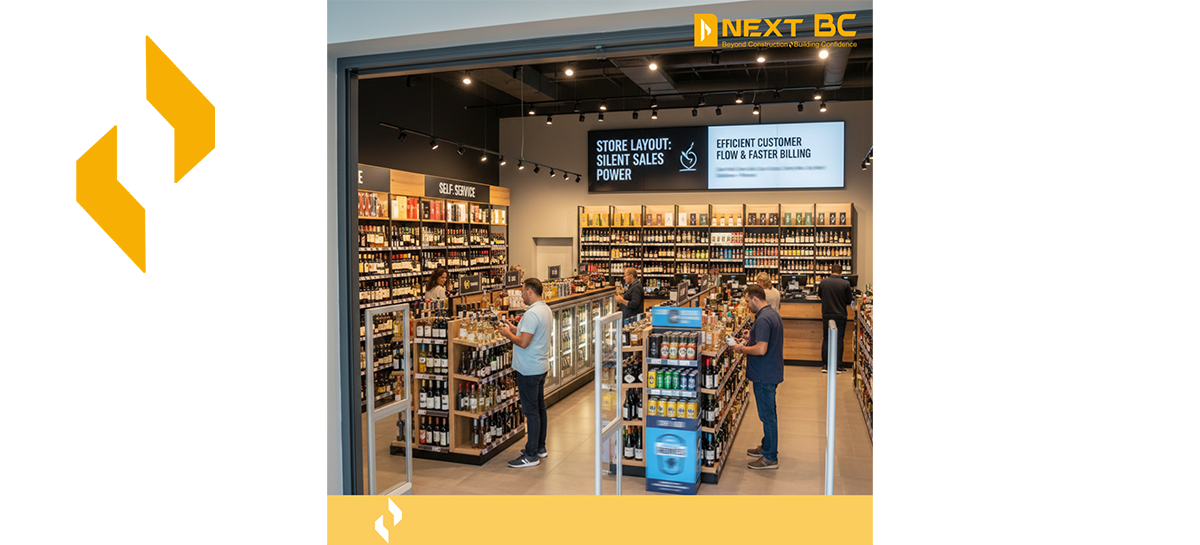
See how smarter aisle planning and checkout zoning reduce queues while lifting add-on sales.
Layout, adjacencies and lighting tweaks that raise basket size in specialty retail.