A smart store layout is not only about arranging racks and décor It directly affects how customers move what they notice and how confidently they shop When the layout is planned well the store feels organized the products look inviting and sales naturally improve Here are seven practical strategies any retailer can start using today.
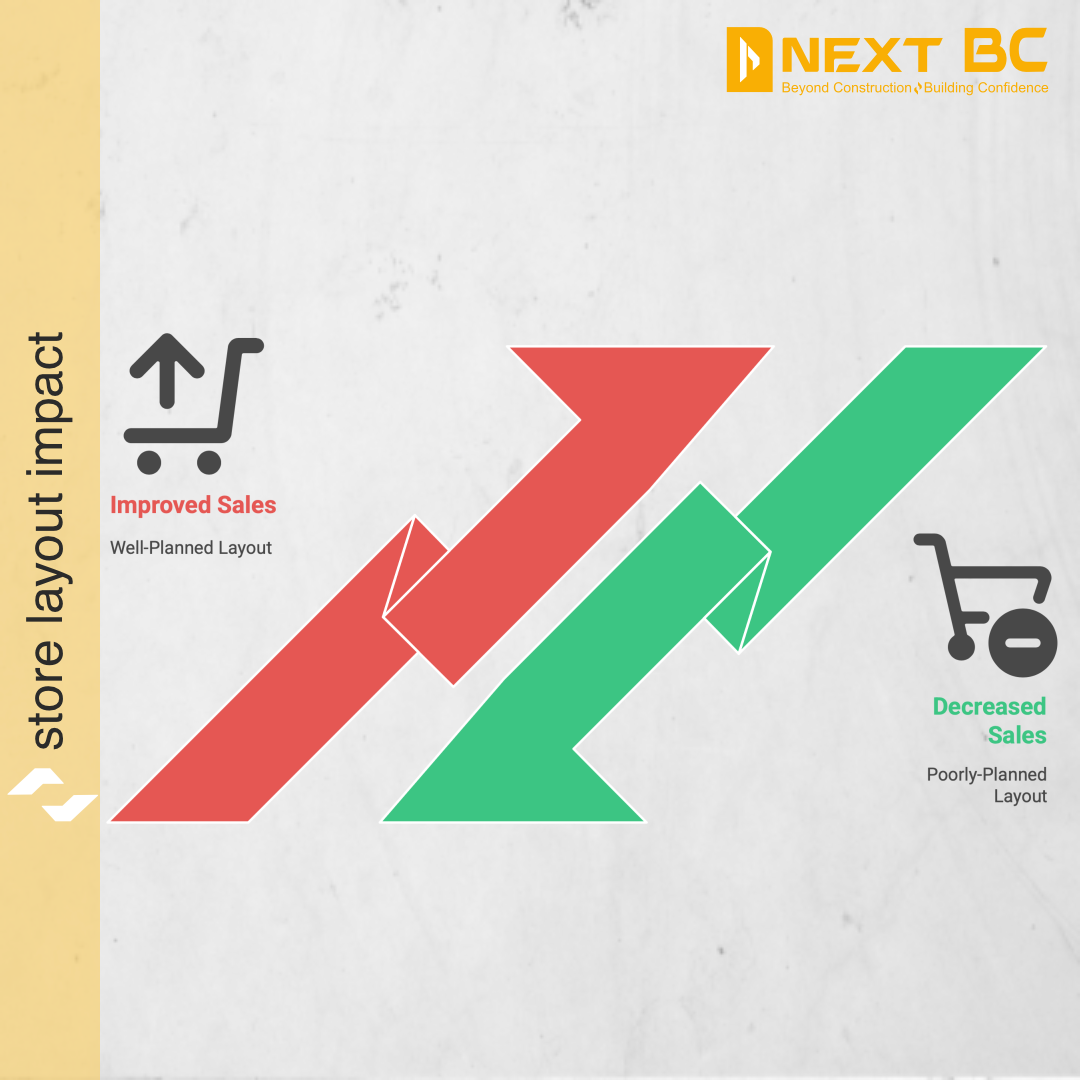
Conduct a layout audit regularly
Every few weeks, walk through your store like a customer. Observe how people move, where they slow down, and which corners look congested. Check your sales data for slow-performing sections. These simple observations often show exactly where improvements are needed.
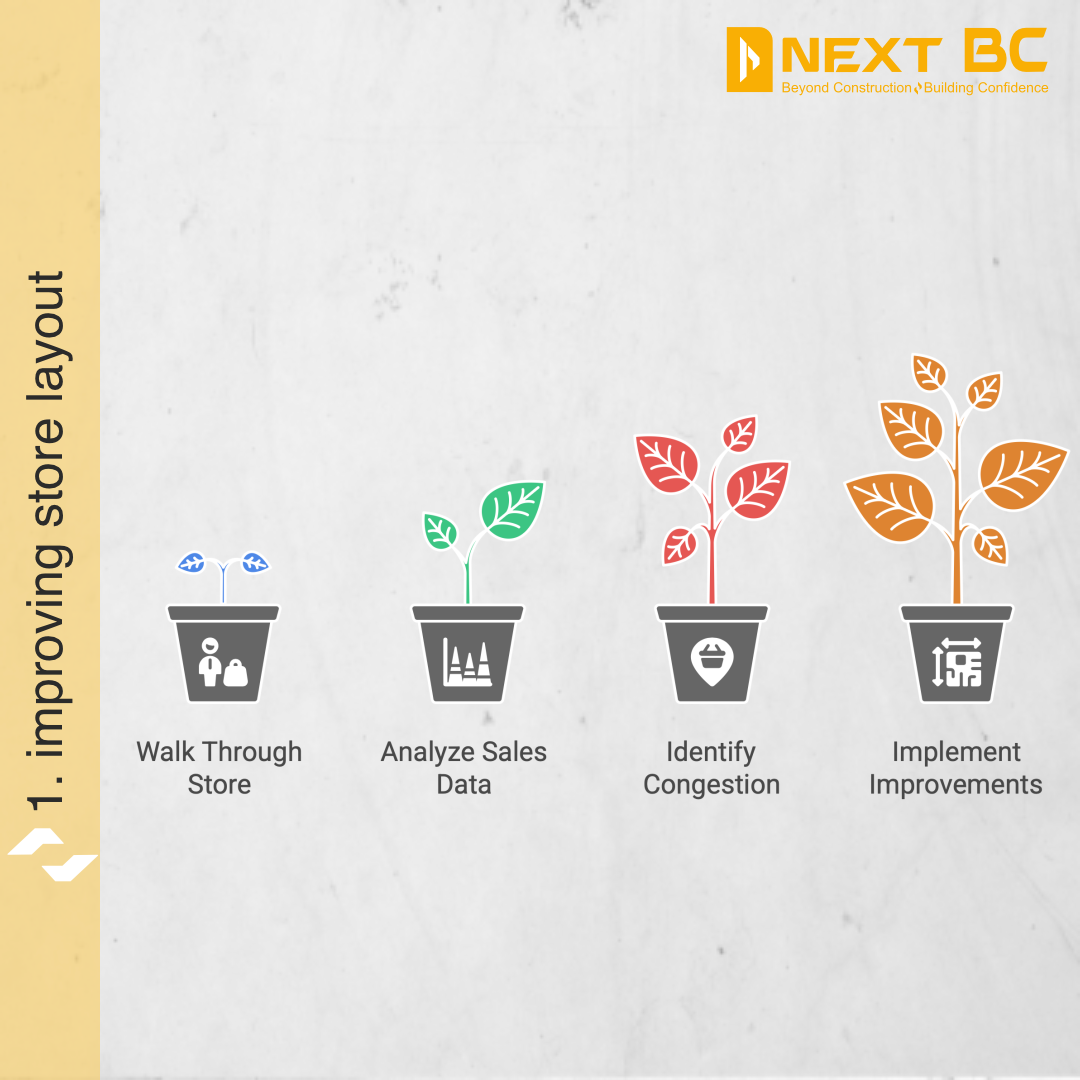
Use Visual Merchandising Smartly
Good merchandising is like silent communication Play with colour themes proper lighting and neat arrangements to highlight important products Attractive displays immediately catch attention and make the overall shopping experience more enjoyable.
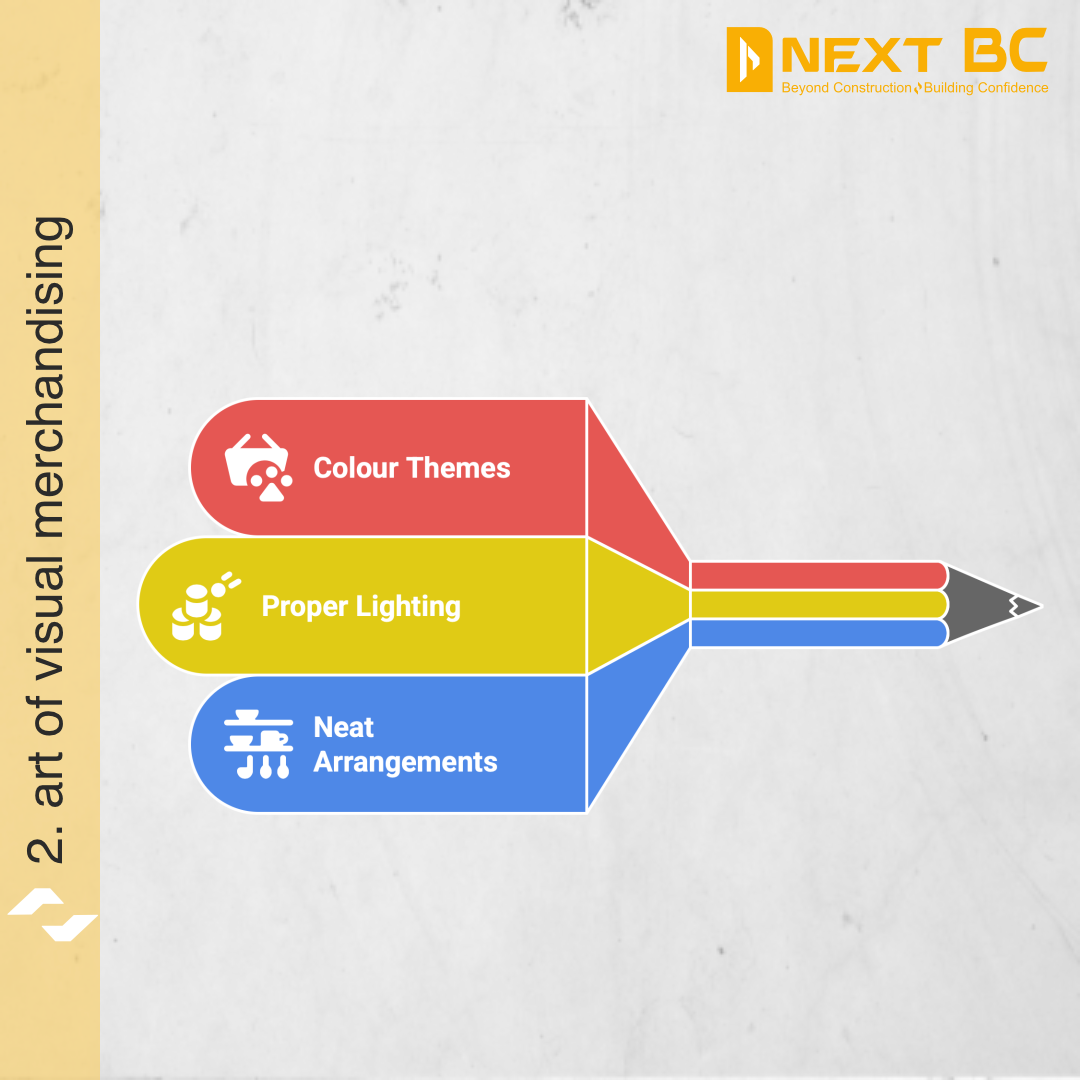
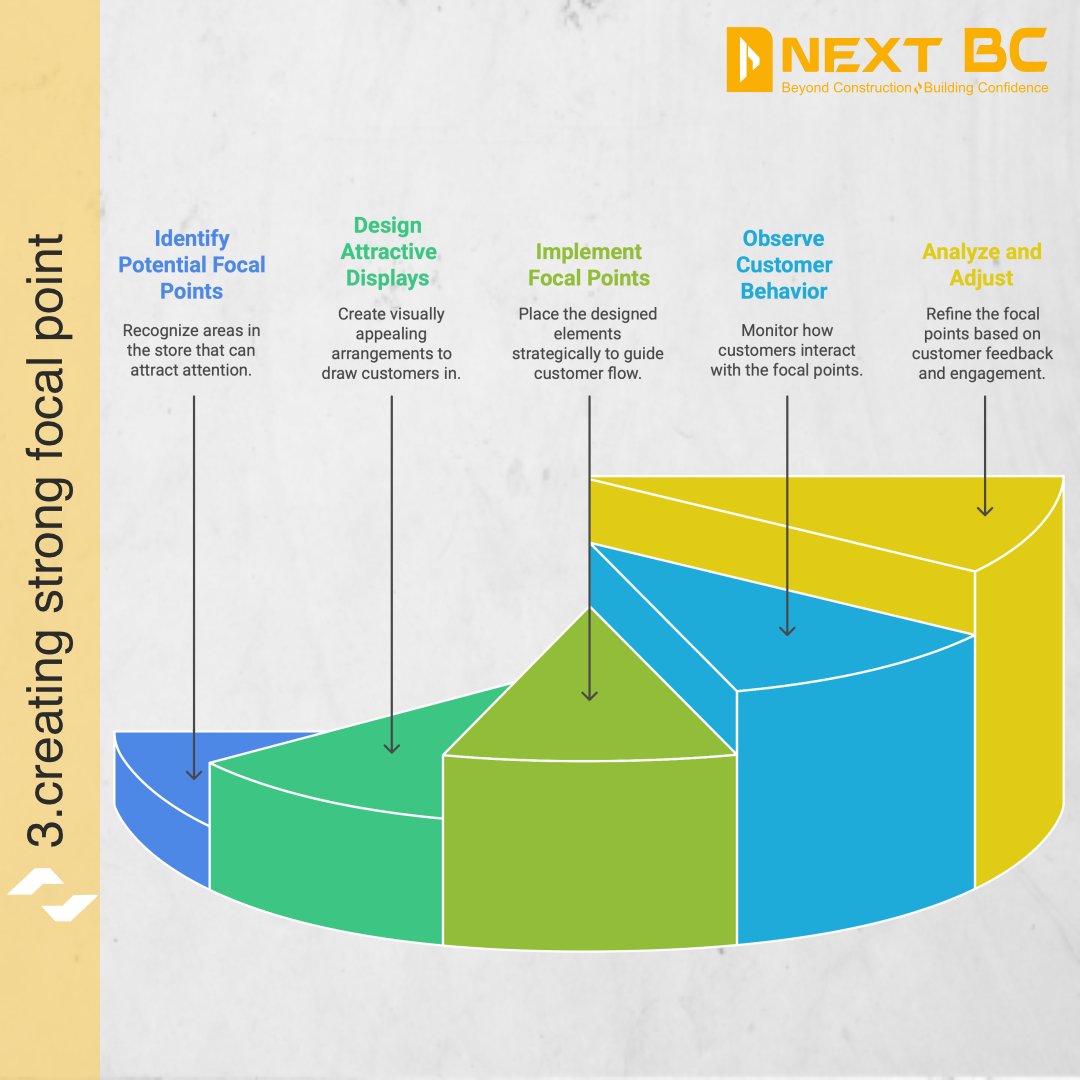
Create Strong Focal Points
A focal point helps guide the customer’s eye. This could be a stylish rack, a big display unit, a bright wall, or even a selfie spot A well-designed focal point can pull customers deeper inside the store and inspire them to explore more.
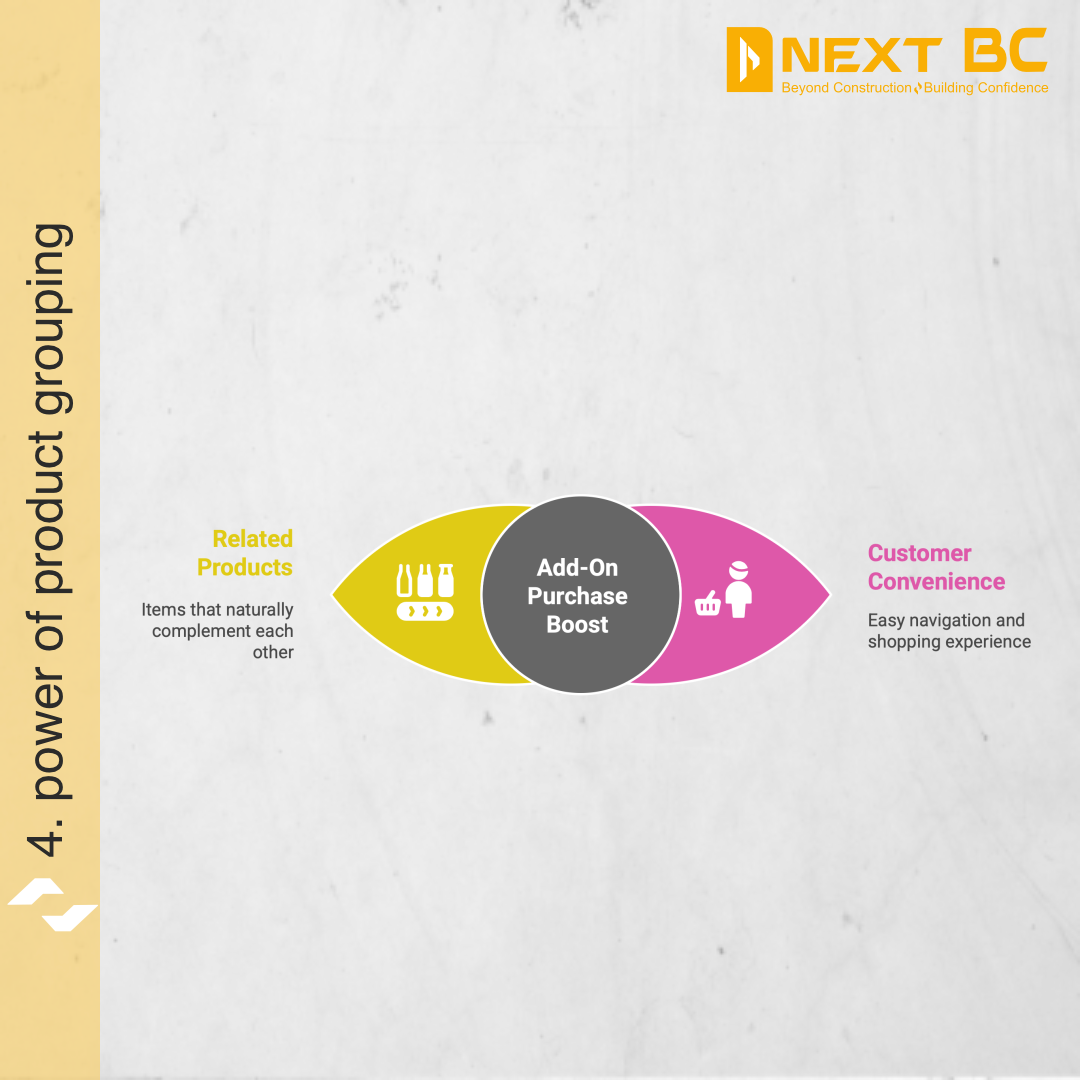
Group Products That Belong Together
Customers appreciate convenience when related items are placed together—like snacks near beverages or gifting items near the billing area—it becomes easier for them to find what they need, and it also encourages add-on purchases.
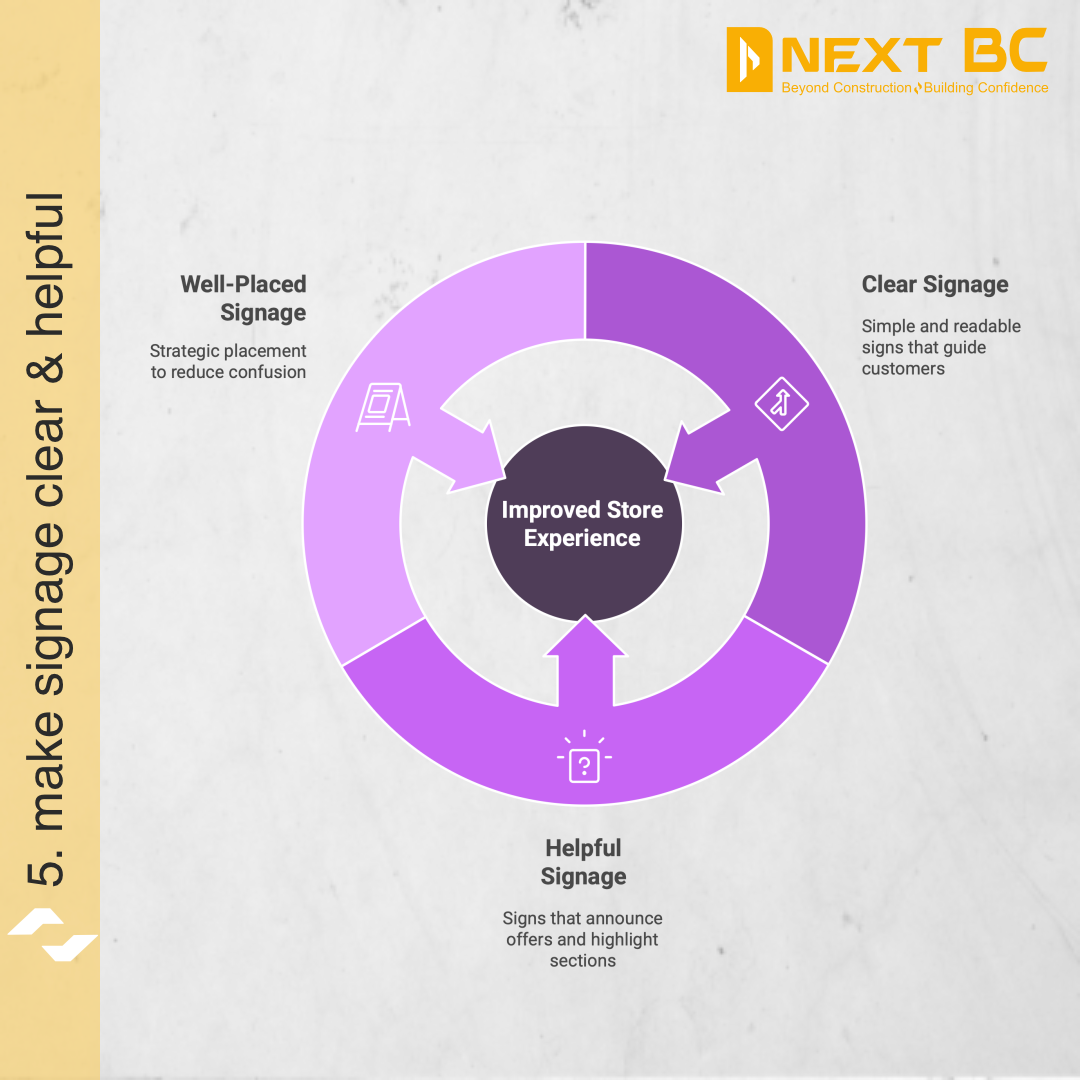
Make sure the signs are easy to read and useful
Signage that is simple, easy to read, and well-placed makes it easy to get around. Use signs to direct customers, announce deals, and draw attention to special areas. Good signs help people understand what's going on and make the store feel more organized.
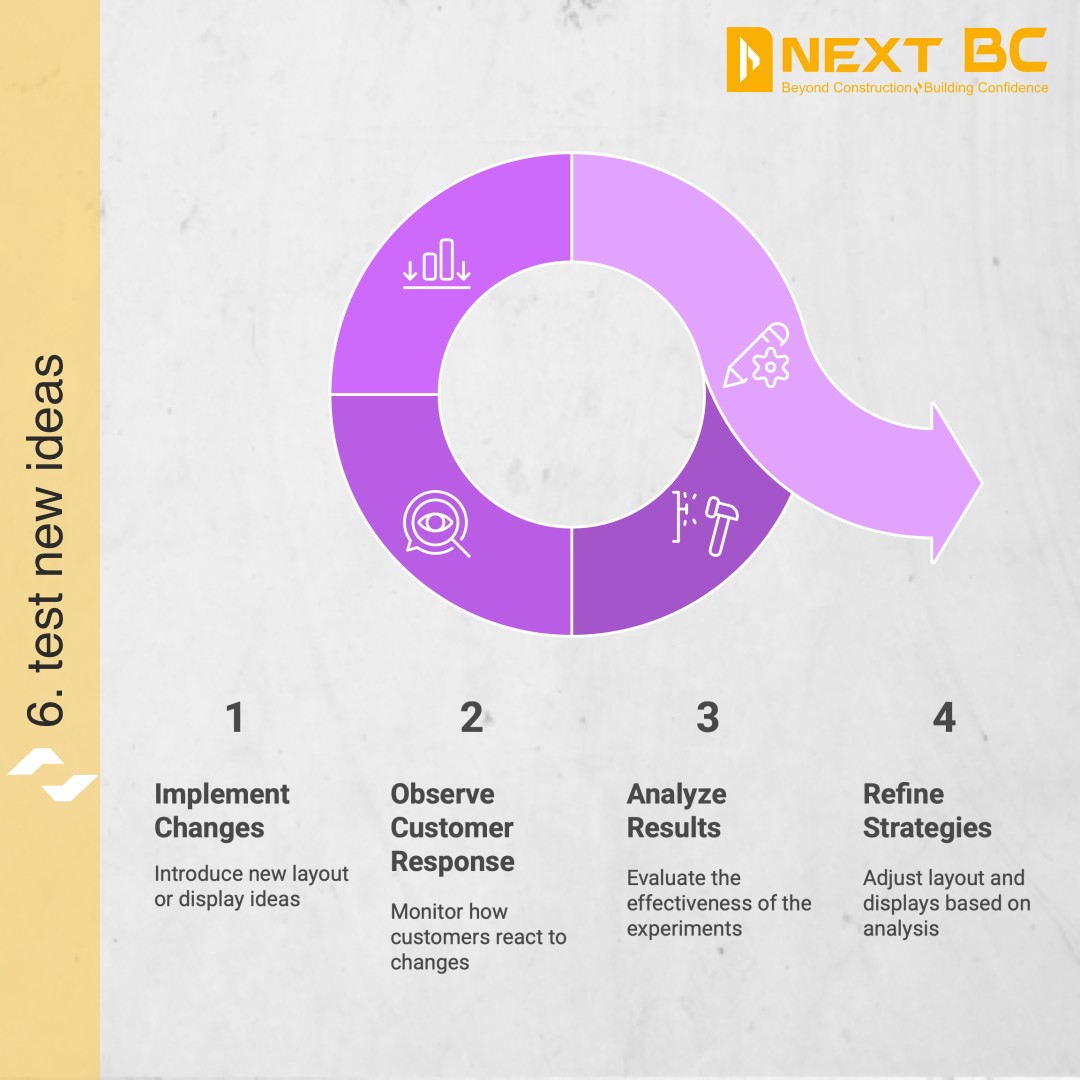
Try out new ideas and see what works
Don't be afraid to move racks, try out new ways to display products, or come up with new display ideas. Retail trends are always changing. Watch how customers react. Small tests can help you find out what works best for the specific customers who shop at your store.
Get professional help when you need it
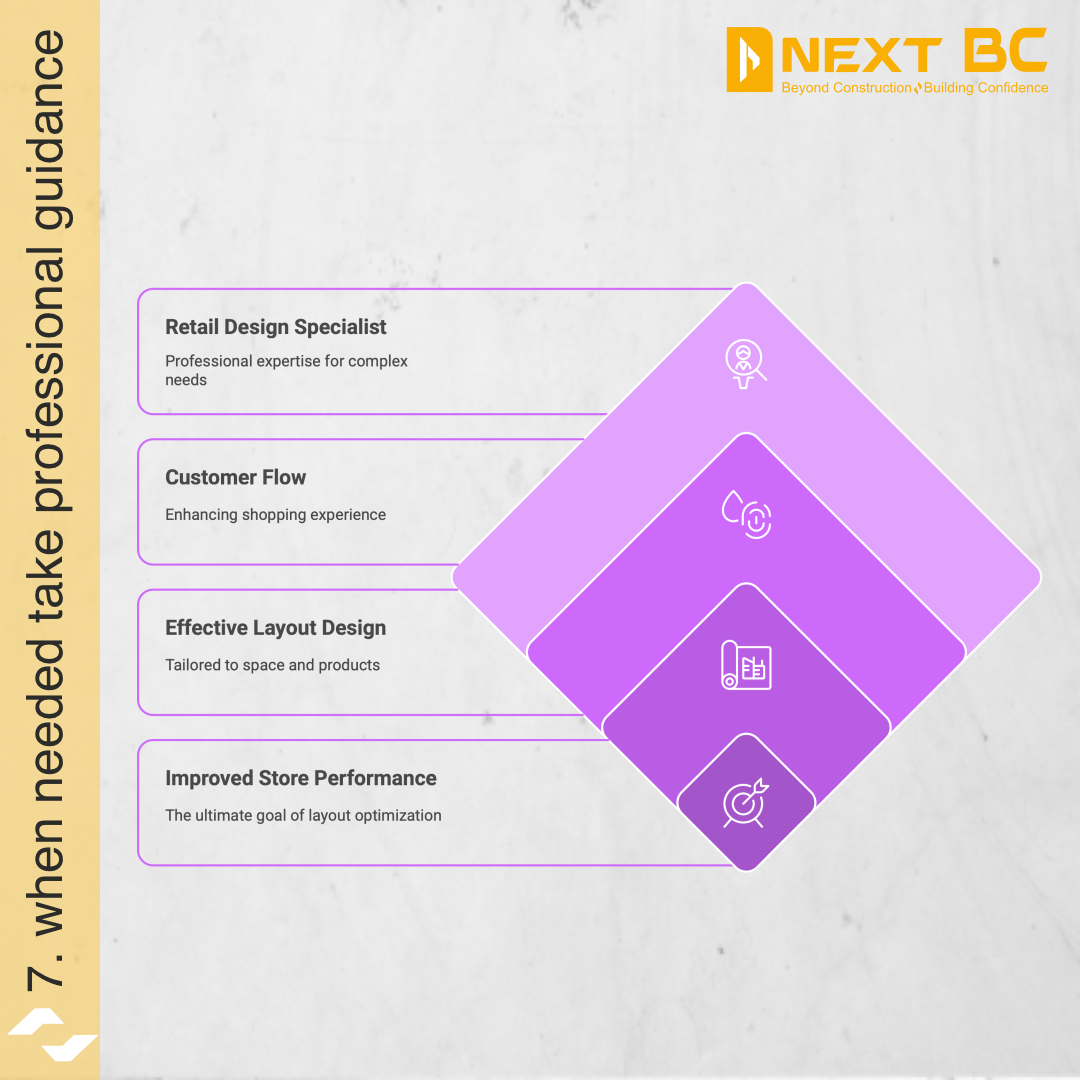
If you're having trouble with layout planning or the store isn't doing as well as you had hoped, talking to a retail design expert can help a lot. You can use their experience to help you plan a layout that works with your space, product mix, and customer flow.
Conclusion
A well-planned store layout is an investment that pays back every day When your store is easy to walk through visually appealing and thoughtfully arranged customers naturally spend more time and the store will make more money.
We offer design / turnkey execution with lighting, MEP and visual merchandising integration for your space. Visit www.nextbc.in to learn more . . .
Thanks
Frequently Asked
Questions
A layout audit means walking through your store like a customer and checking what feels confusing crowded or ignored Ideally, do it every 2–4 weeks and also after any major product change or seasonal sale.
Start with two things: Start by analyzing customer movement, identifying areas where customers stop, turn back, or become stuck. Sales data: sections that stay slow even when footfall is favorable Usually congested zones and low-performing sections are the first to be fixed.
Visual merchandising is how you display products so that customers notice them easily. It includes lighting, color themes, neat stacking, and attractive display units. It works like silent selling.
Yes. Keeping related items together (snacks near beverages, gifting near billing) facilitates faster customer discovery and encourages the addition of extra items This improves convenience and add-on purchases.
Simple signs work best. Use a font that is easy to read, has good contrast, and is in the right place. Use signs to show where to go, what to buy, and where to go in special areas. Clear signs make the store look neat and help people find what they need.
Begin with small things Change one display, move one rack, or make a new focal point for a week or two. Then, watch how customers react and compare sales. Small experiments are a cheap way to learn quickly.
Our Related News

Choosing Aesthetics Over Functionality: A Design Dilemma for Homeowners
When designing your dream home, it’s tempting to prioritize beautiful aesthetics—sleek countertops, statement lighting...

Ignoring Natural Lighting: A Common Oversight in Home Design
When designing a home, every decision—from color palettes to materials—contributes to the space's...
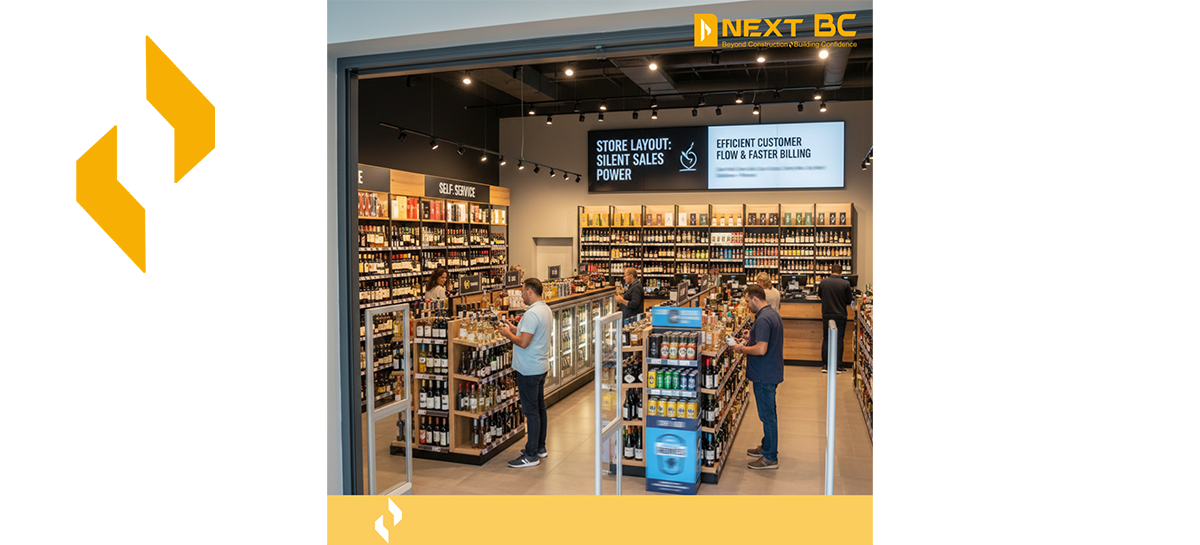
Why the Liquor Store Layout Impacts Customer Flow & Billing Speed
See how smarter aisle planning and checkout zoning reduce queues while lifting add-on sales.
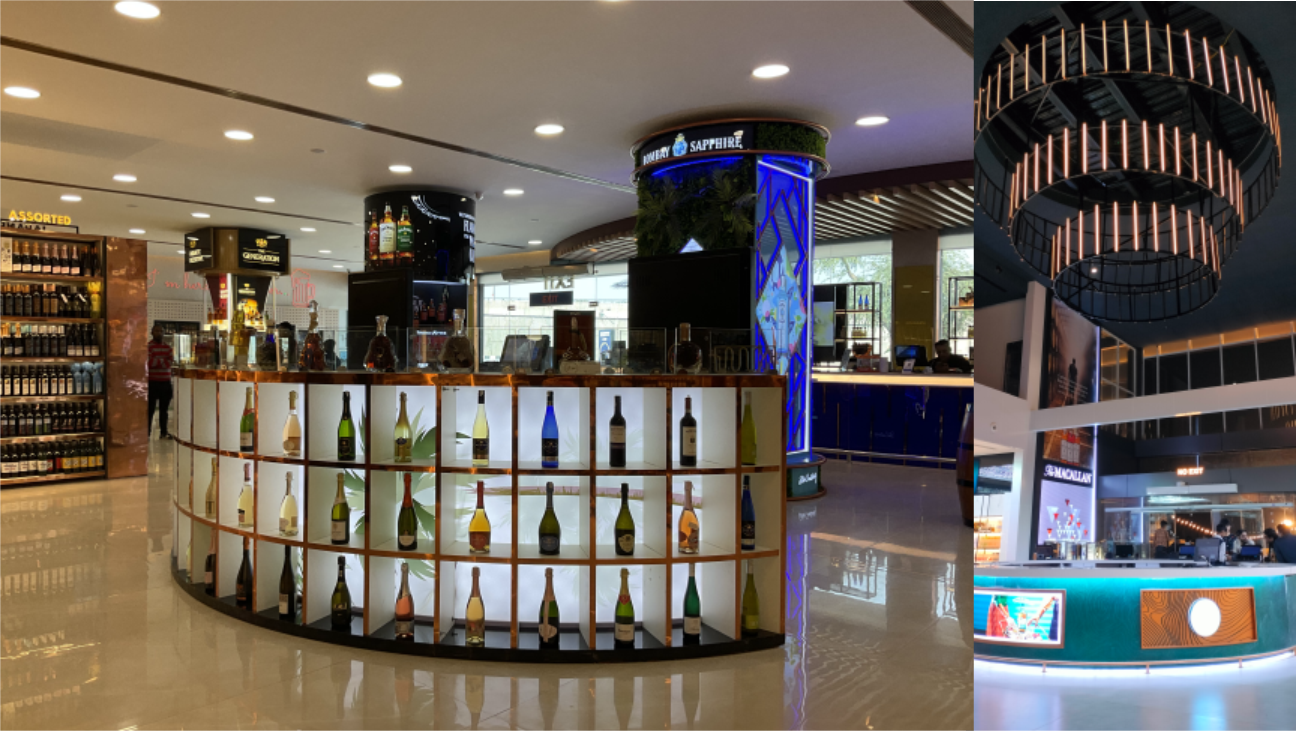
How a Well-Designed Interior Increases Liquor Store Sales
Layout, adjacencies and lighting tweaks that raise basket size in specialty retail.