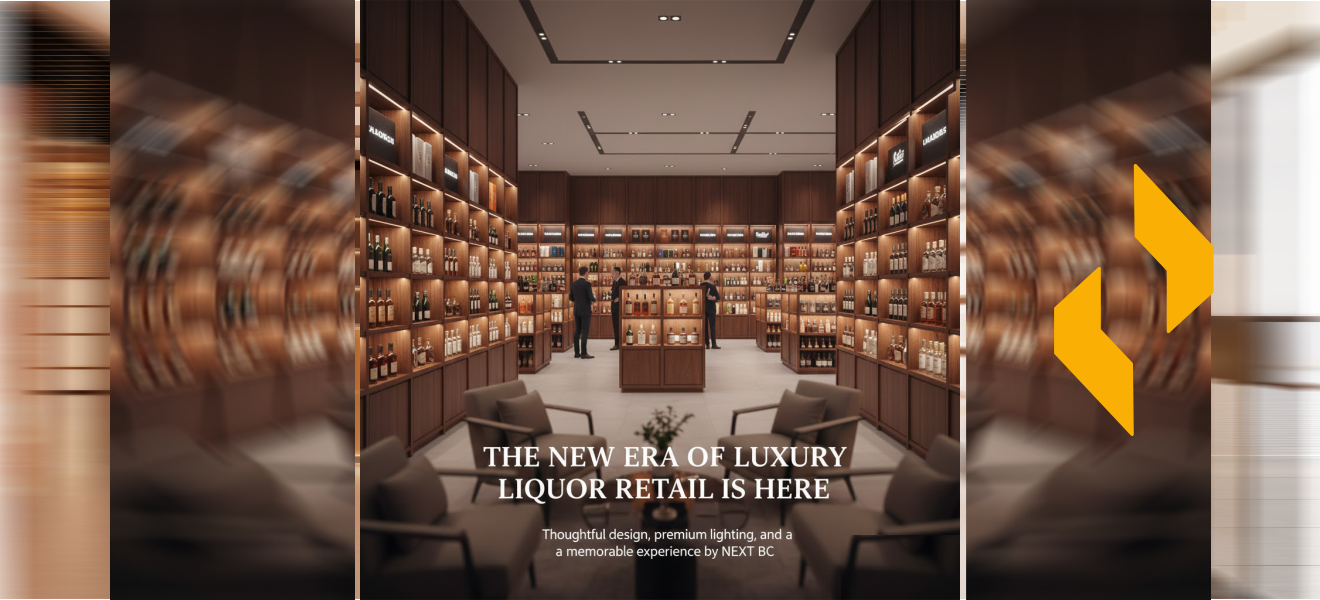
In India, the word “luxury liquor store” is often misunderstood. Many people still think that if a shop is big enough or has costly interiors, it automatically becomes a luxury store. But the truth is very different.
A liquor store becomes “luxury” only when the customer feels it—not when the contractor spends more money on marble or lighting. Bigger space or expensive finishing alone cannot bring crowd. What brings people is experience.
A New Thought for an Old Industry
Every industry has experts who spend 20–30 years mastering their field. Their contribution builds the foundation for everyone else. But every few decades, new people enter who look at the same business with a fresh mind. They question old methods. They find new opportunities. They show a different way of making money from the same traditional trade. This doesn't mean that industry legends did not think deeply. It simply means growth happens when multiple viewpoints coexist. The world never stops for anyone, but it always remembers those who contributed in their time. Luxury liquor retail is also going through the same turning point.
Luxury Is Not Fancy - It Is Purposeful
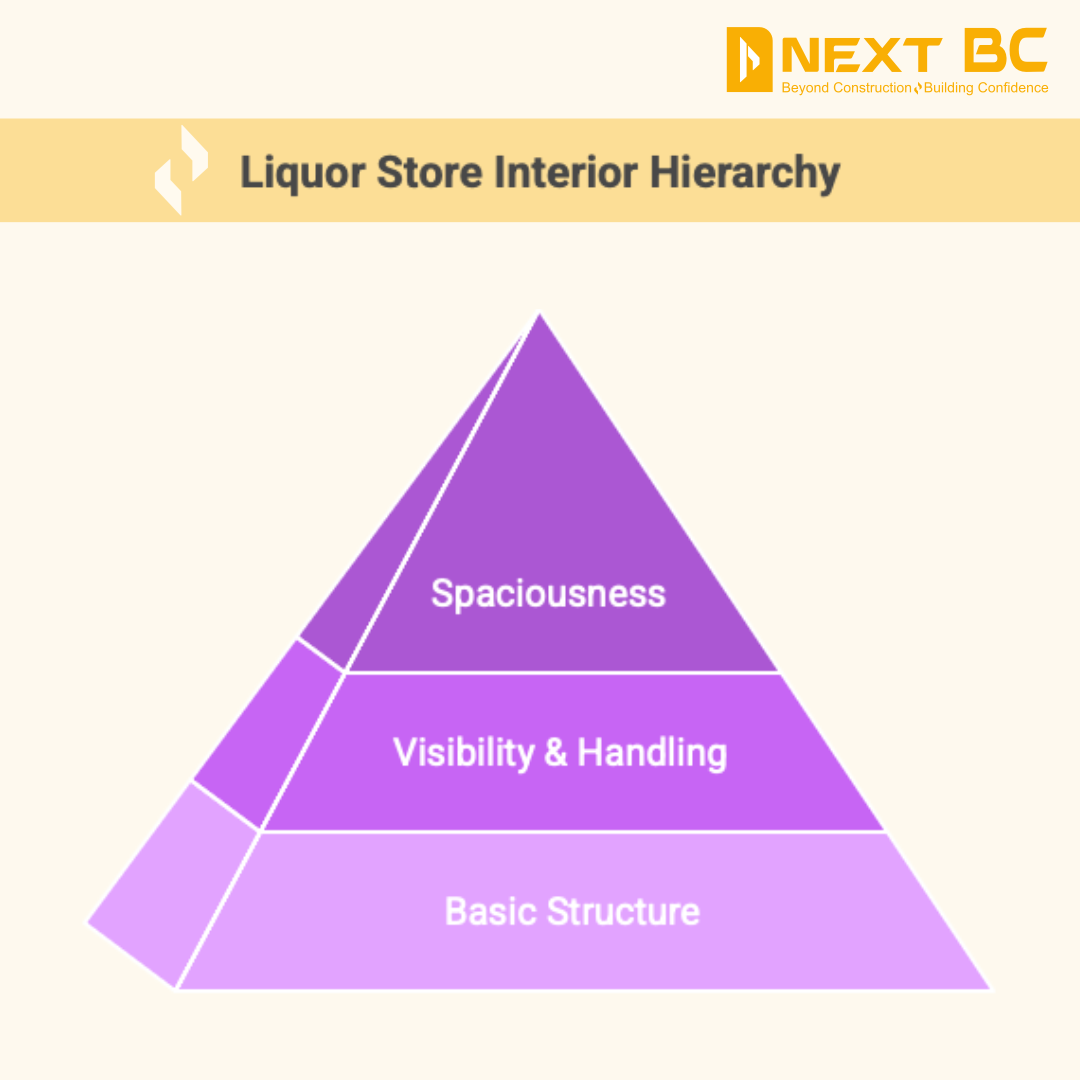
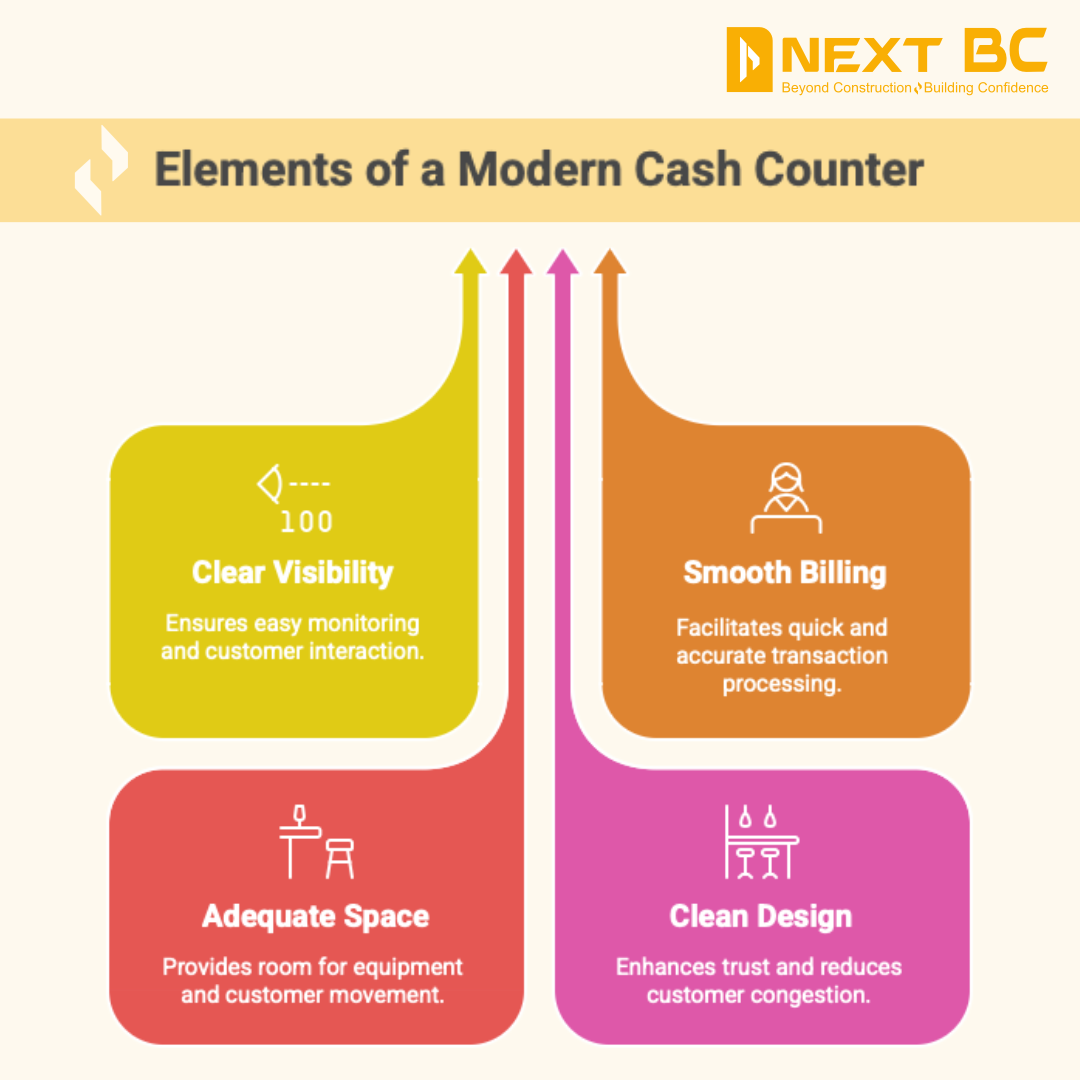
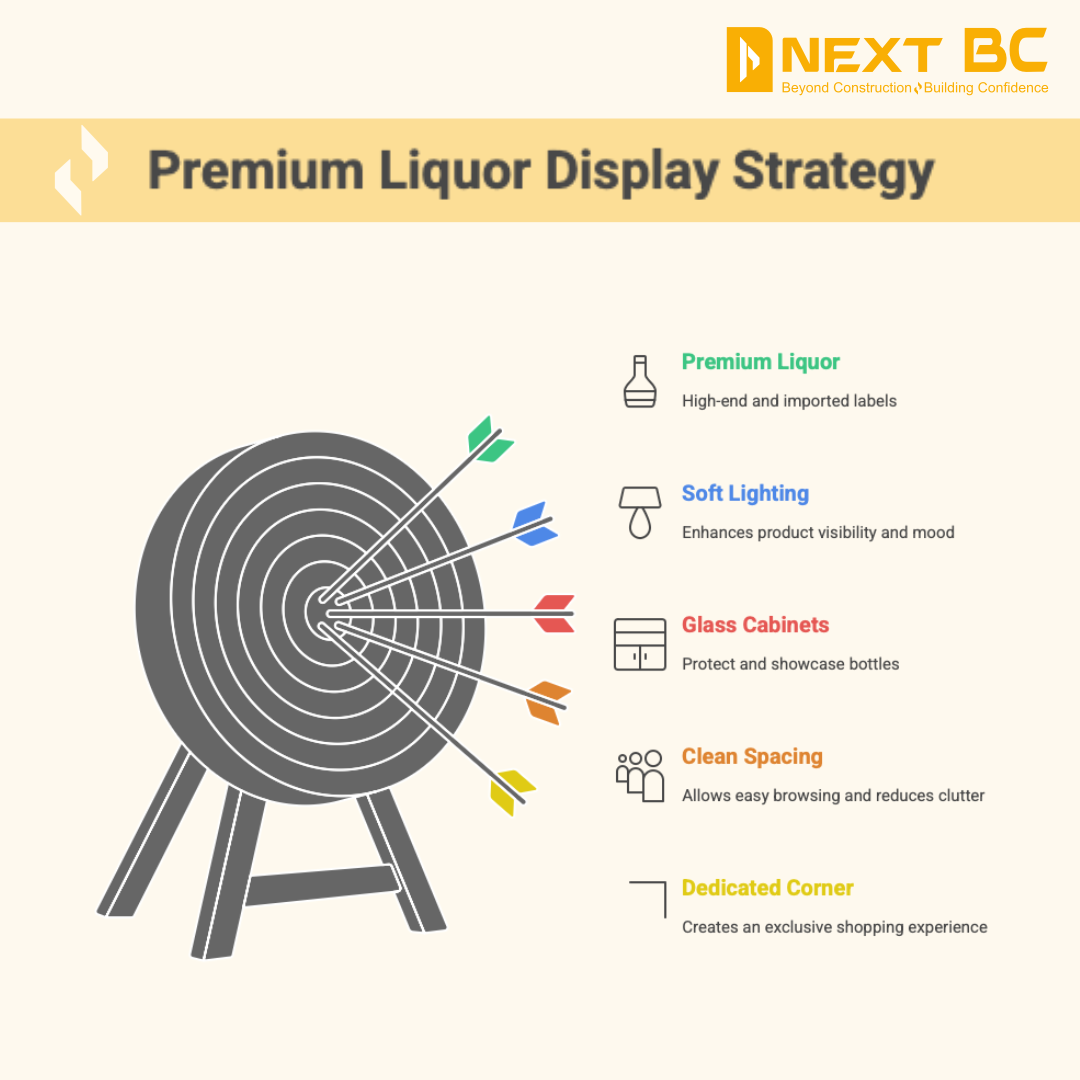
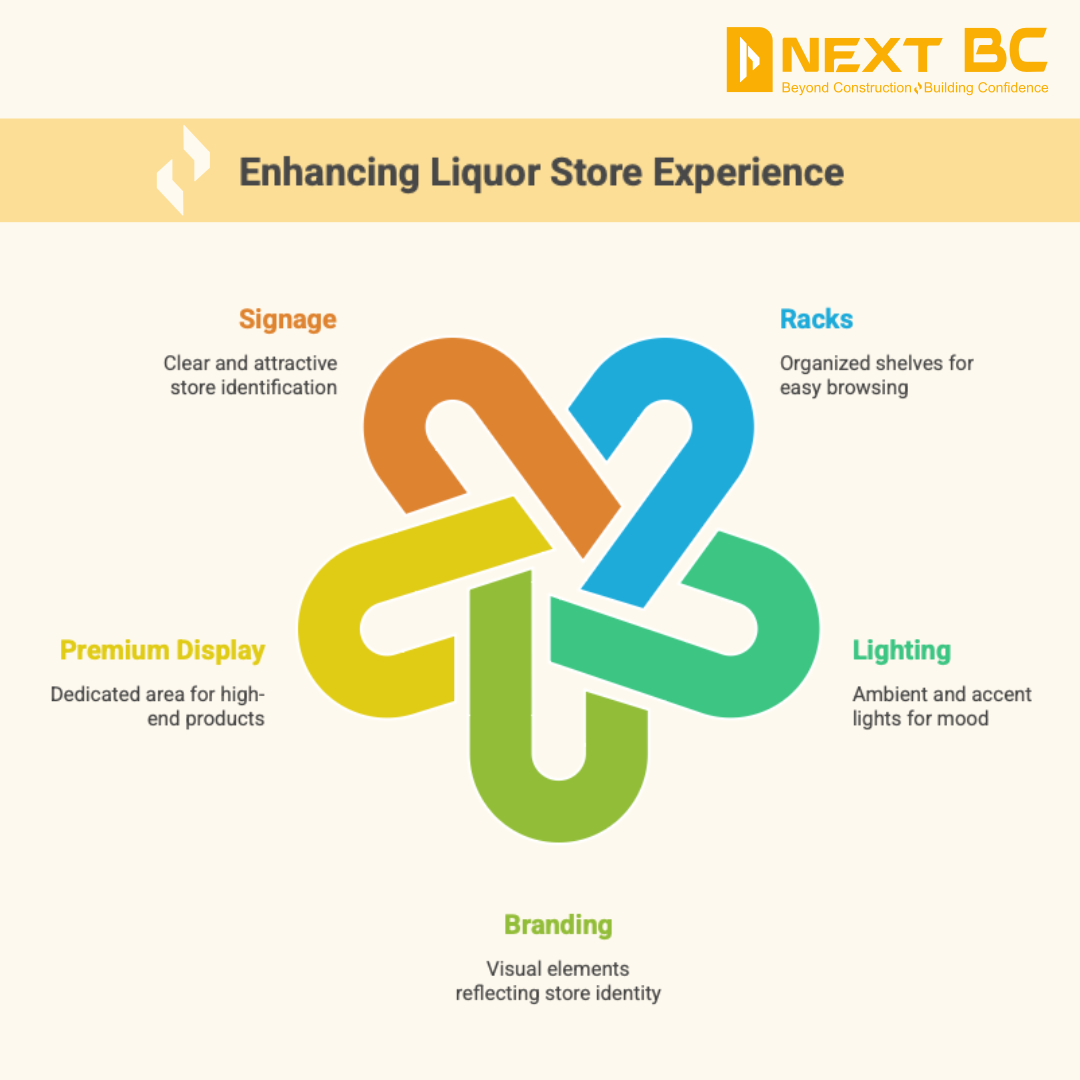
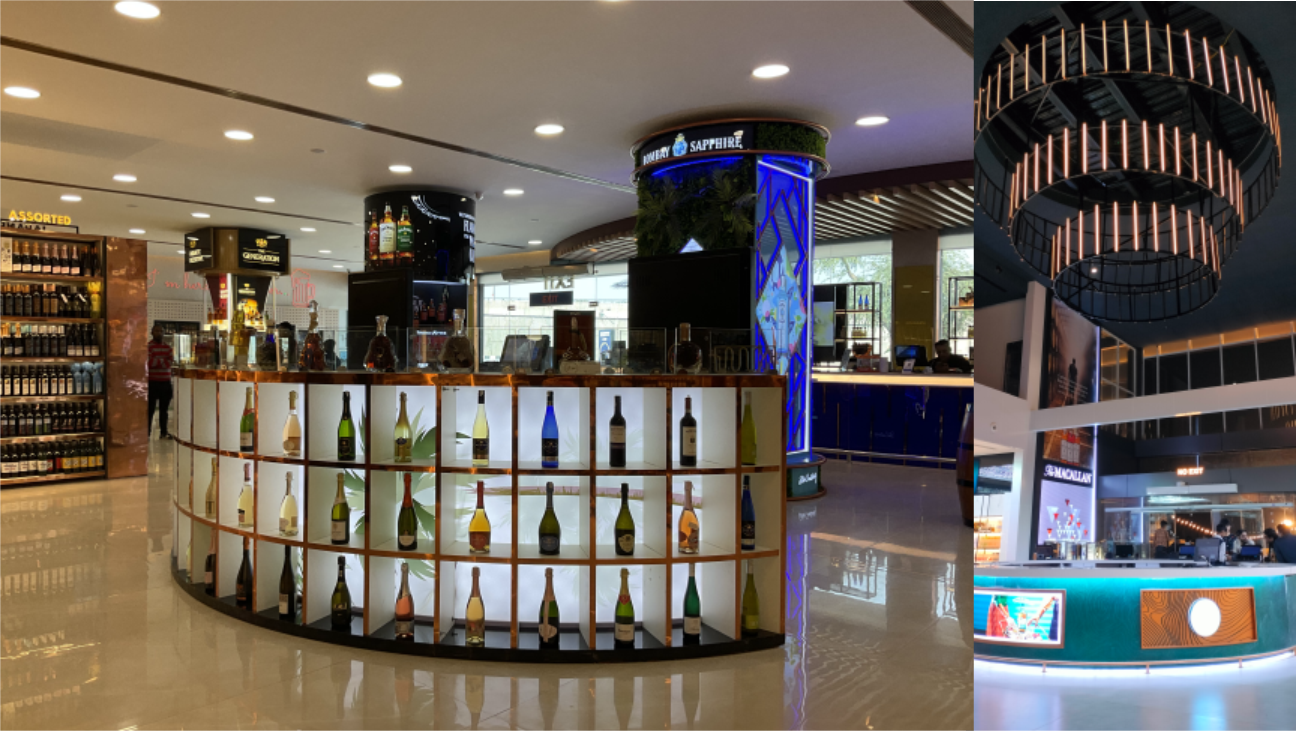
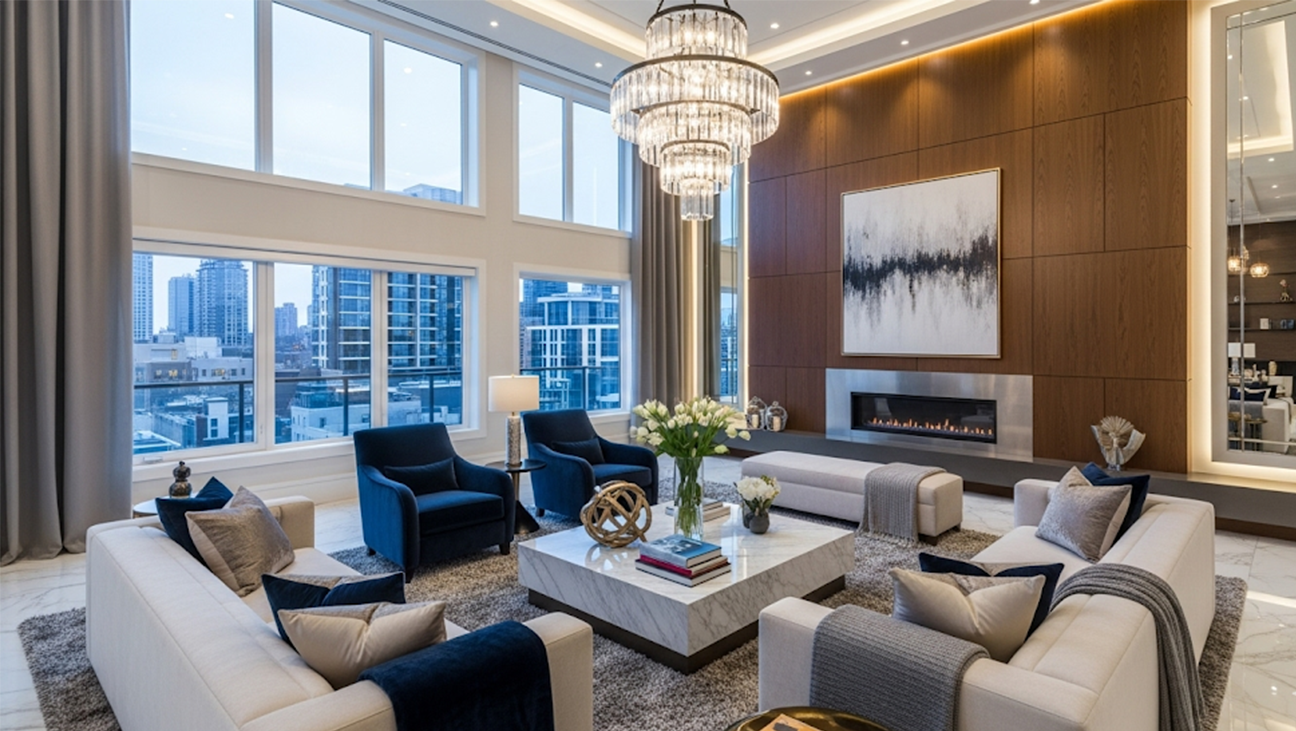
The idea of a luxury liquor store is not about showing off. It is about making the shopping experience feel simple, premium, organised and enjoyable. A true luxury store focuses on: • Clear zoning and smooth customer movement • Lighting that highlights the bottles, not the ceiling • Clean racks and proper spacing • A calm atmosphere where customers can take their time • Proper display for wines, imported malts and premium SKUs • Branding that complements the shop, not overwhelms it Luxury is not “high-fi décor.” Luxury is attention to detail.
Why This Segment Is Still Untouched
India consumes liquor, but India has not yet “experienced” liquor retail the way many other countries have. For decades, excise rules, old building conditions, and local retail habits made the store-owner focus only on licensing and stock management. Because of this, the idea of a premium liquor environment remained limited. But things have started to shift: • New excise norms encourage better store planning • Customers prefer organised, safe and neat stores • Wine and premium whisky sales have increased • Urban lifestyle expectations have changed • Younger customers look for a better buying experience The luxury liquor segment is still small, but it is growing. Very soon, it will become a strong category of its own.
A Win–Win Opportunity
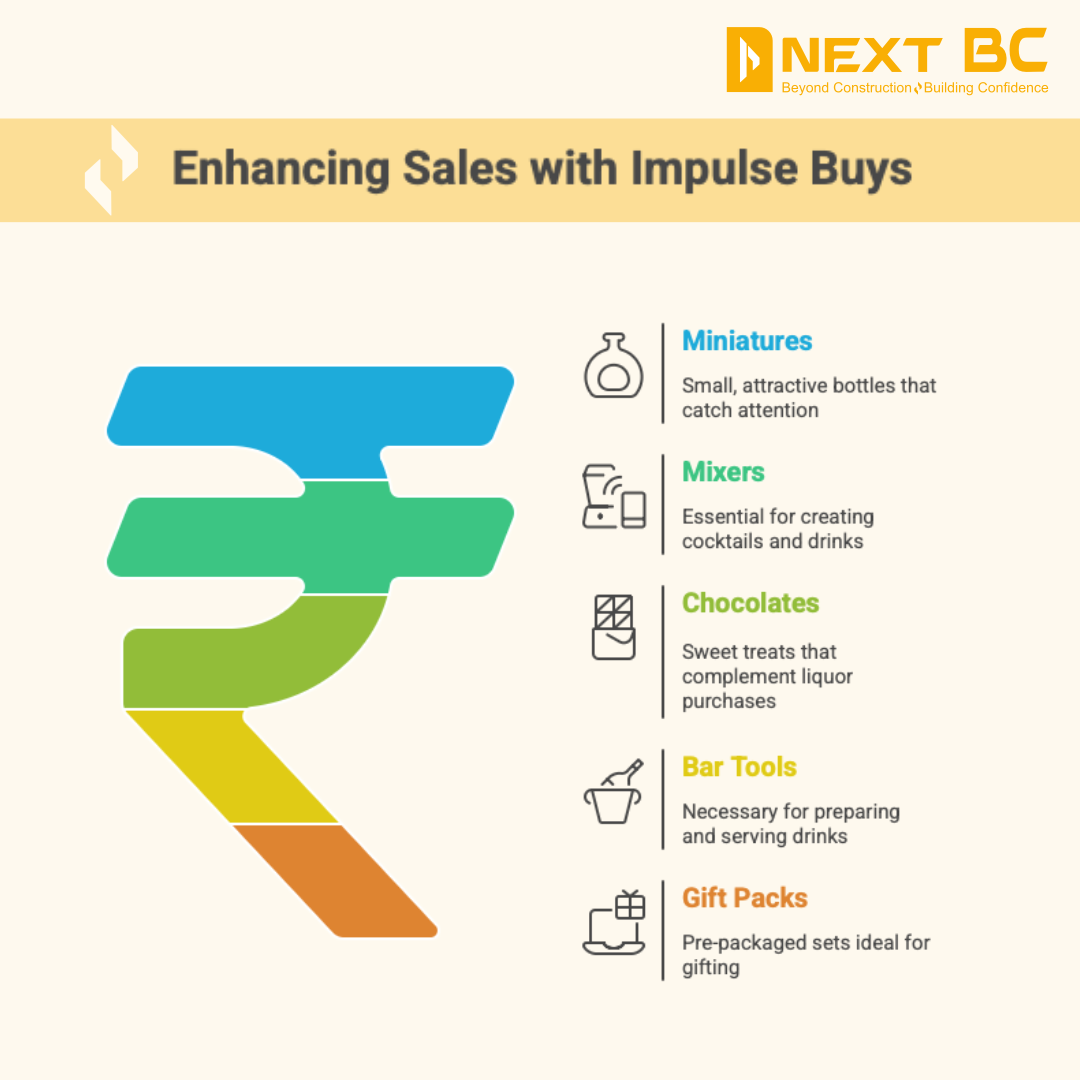
A luxury liquor store is not just profitable for the investor. It benefits the customer as well. For Investors • Better margins on premium products • Strong brand identity • Repeat customers • More organised store operations • Higher value per square foot For Customers • Peaceful environment • Clear product visibility • Better understanding of premium options • Safe and comfortable feel • No confusion or clutter When a store feels premium, the entire neighbourhood views it positively.
A Lifestyle Approach to Liquor
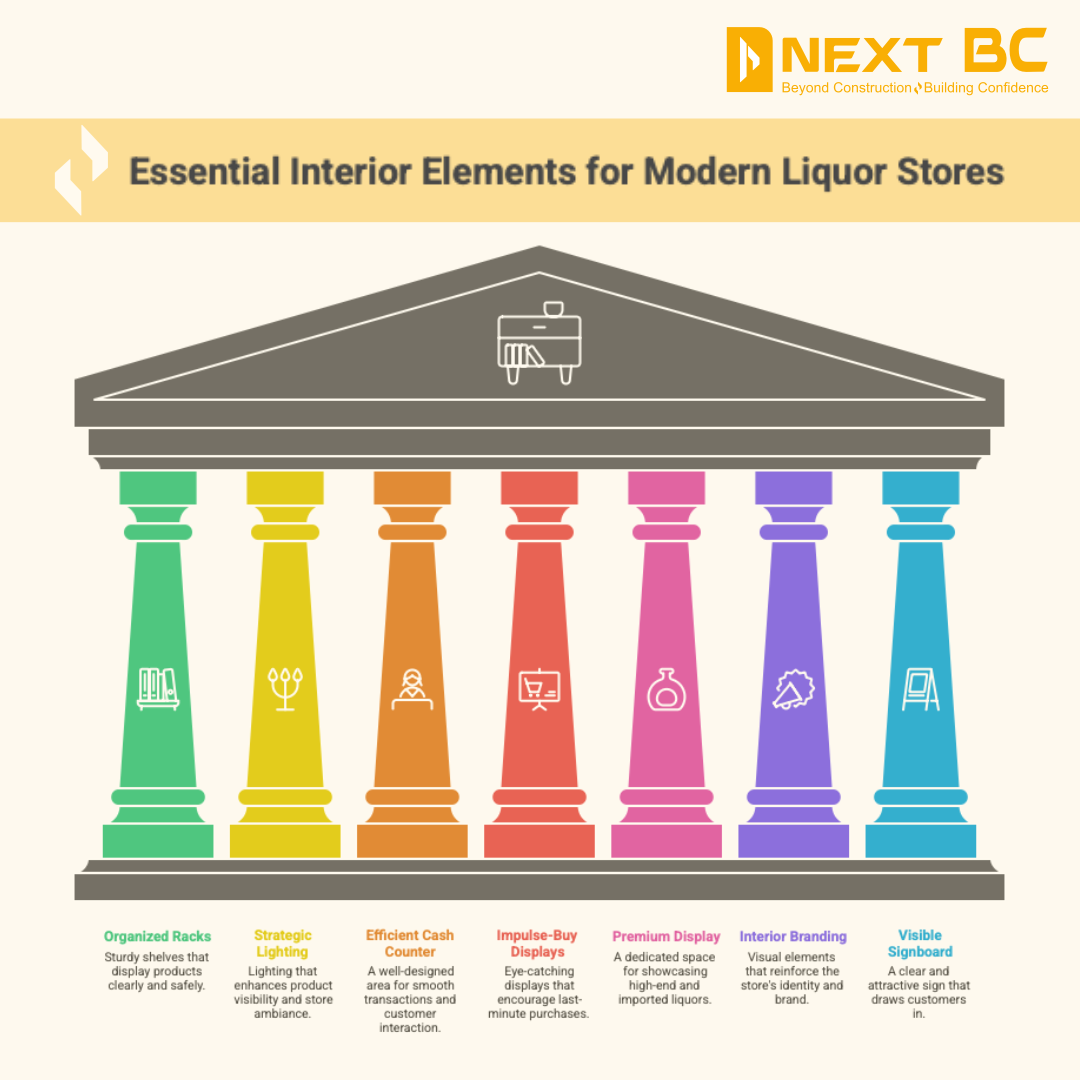
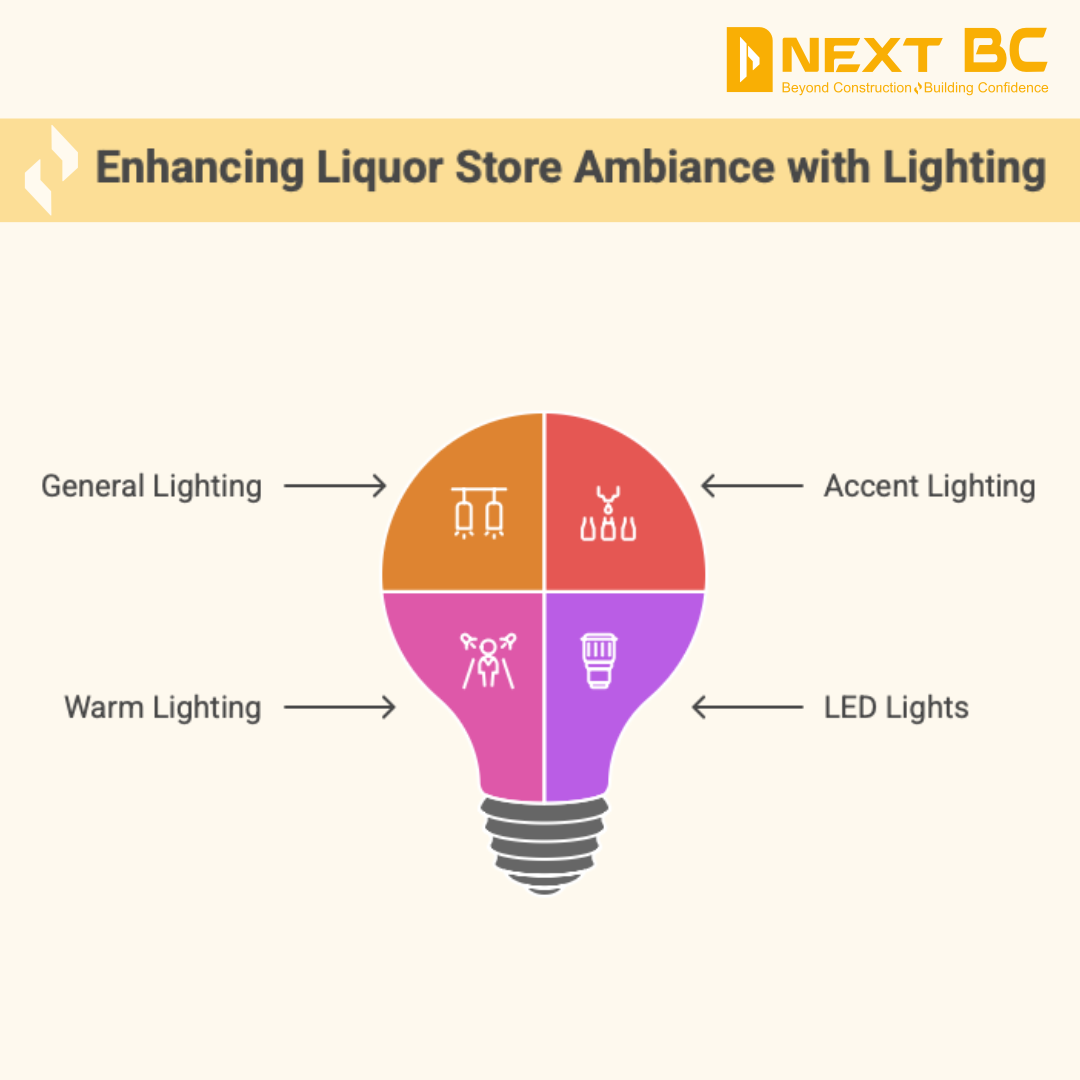
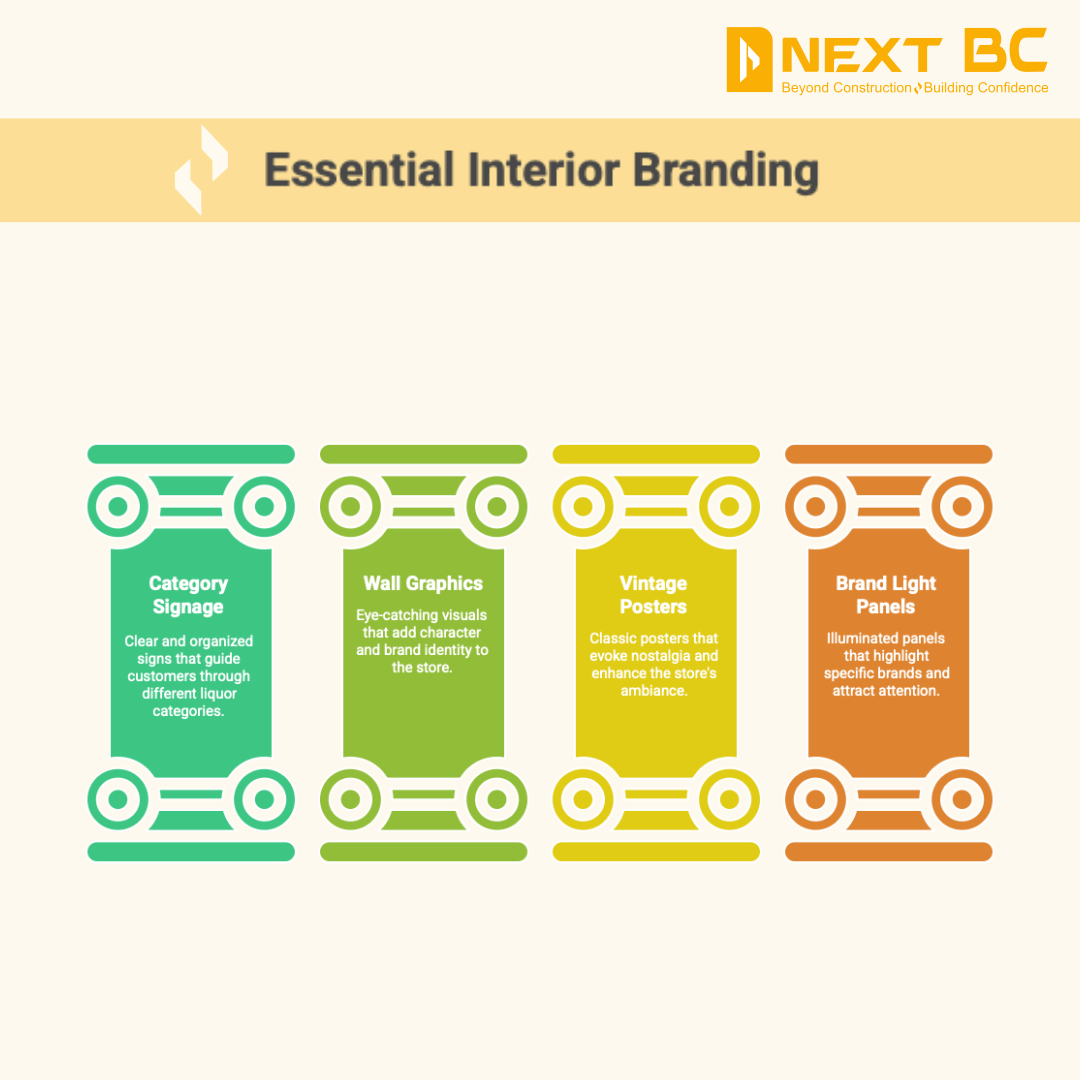
The liquor business is very old. But the way liquor is displayed, bought and experienced is changing right now. And this change is not about throwing money on interiors. It is about designing with purpose: • Correct lighting • Good circulation space • Proper zoning • Clean finishing • Visible signages • Excise-compliant layout • Branding that supports business This is what turns a normal shop into a lifestyle store.
Next BC’s Approach
At Next BC, we understood this shift early. Our work is not limited to carpentry, civil or MEP. We look at the store like a complete retail environment, where design, compliance and customer movement work together. We focus on: • Functional layout • Store identity & façade • Lighting design • Smart interiors • Rack planning • Practical materials • On-site execution within timelines Our goal is simple: Make every store look good, perform well and feel premium.
Conclusion
The liquor industry in India is entering a new phase. Old experts built the base. New minds are building the future. Luxury liquor stores are not a trend—they are a natural response to changing lifestyles. The segment is still open. Those who step in now will lead the next decade.
We offer design / turnkey execution with lighting, MEP and visual merchandising integration for your space. Visit www.nextbc.in to learn more . . .
Thanks
Frequently Asked
Questions
Most delays happen because responsibility breaks at different levels. Architects, consultants, PMCs, and contractors start passing work from one person to another, and no one takes full ownership. When everyone protects their interest first, the project naturally slows down.
These are common reasons mentioned officially, but not the real root cause. The deeper problem is the working mindset. Teams' lack of coordination and unclear accountability cause projects to stall even after approvals and funds are available.
Not completely.
A developer handling a 5–10 acre housing project has already
spent years building credibility. No developer wants to lose
reputation.
However, when multiple agencies collaborate on a project, the
developer often finds themselves at the forefront, even if
others are causing the delay.
Commercial projects like schools, hospitals, offices, and farmhouses have a clear structure and limited dependency. High-rise residential buildings involve: many suppliers many contractors The project includes a long list of fittings and finishes that cater to the emotional expectations of home buyers. emotional expectations of home buyers This human and technical mix makes the work more sensitive and complicated.
Not always.
Buying tiles, wires, or fittings directly from factories may
look cost-saving on paper, but it often disturbs workflow.
Material arrives before the team is ready, storage becomes a
problem, and project sequencing gets affected.
Once the execution process begins, everything transforms into drawings, bills, meetings, and targets. People forget that behind every flat, a family is waiting for safety, comfort, and peace of mind. When emotion disappears from the process, quality and timelines suffer.
This is the typical cycle: Architect says, “PMC will guide.” PMC says, “The consultant will decide.” Contractor says, “We only follow the drawing.” Slowly the project enters a grey zone where no one answers properly, and delays become normal.
Our Related News

Choosing Aesthetics Over Functionality: A Design Dilemma for Homeowners
When designing your dream home, it’s tempting to prioritize beautiful aesthetics—sleek countertops, statement lighting...

Ignoring Natural Lighting: A Common Oversight in Home Design
When designing a home, every decision—from color palettes to materials—contributes to the space's...